Pacylex Advances Cancer Treatment Innovation with NMT Inhibitor Technology
Pacylex Pharmaceuticals is advancing its novel cancer treatment technology through major industry conferences, showcasing both oral and antibody-drug conjugate applications of their N-myristoyltransferase inhibitors, marking a significant development in targeted cancer therapy.
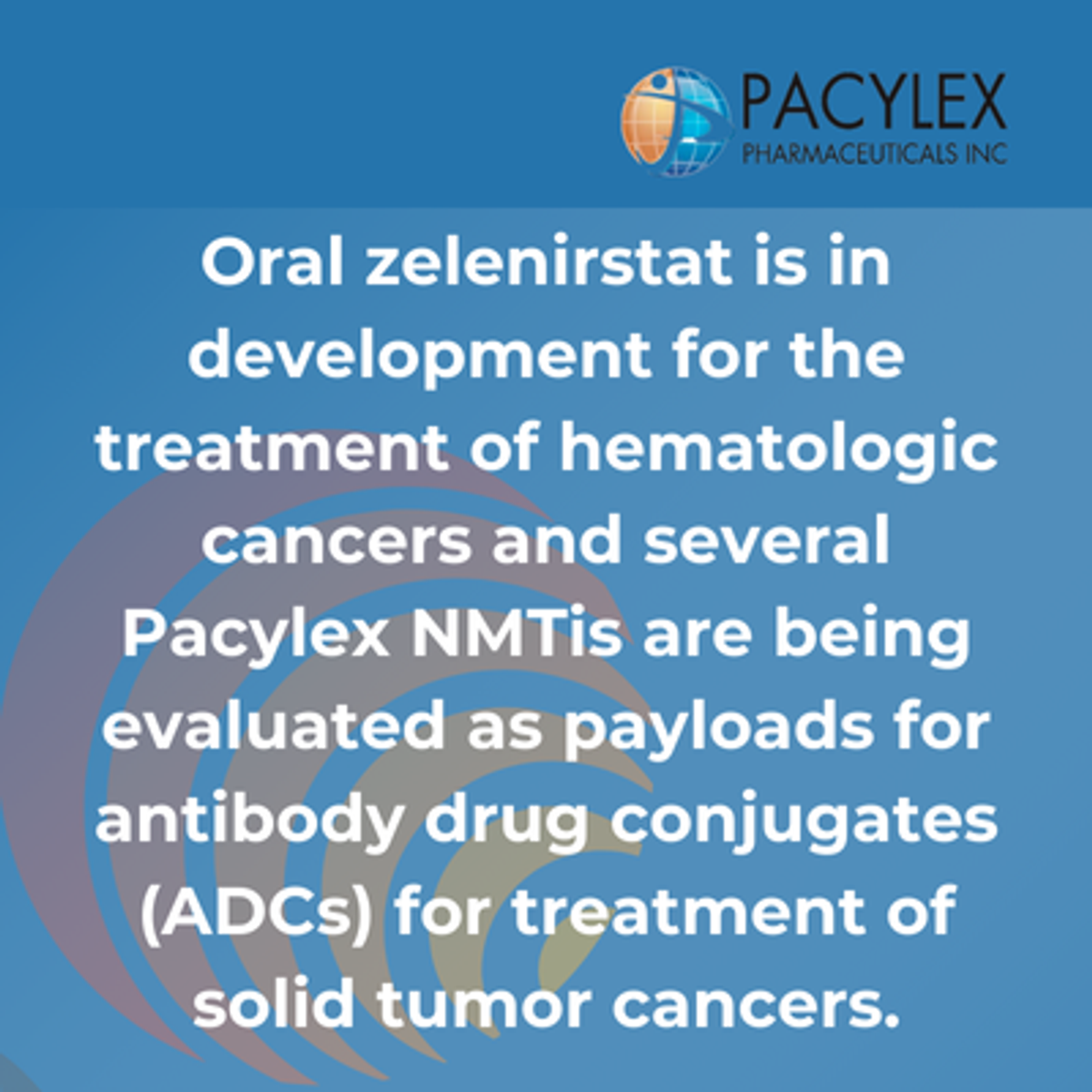
Cancer treatment innovation is taking center stage as Pacylex Pharmaceuticals prepares to showcase its groundbreaking N-myristoyltransferase inhibitor (NMTi) technology at three major healthcare conferences in February. The company's developments represent a significant advance in targeted cancer therapy, particularly for hematologic cancers and solid tumors.
The company's lead drug, zelenirstat, has already secured both Orphan Drug and Fast Track Designations from the FDA for acute myeloid leukemia (AML) treatment. This recognition by regulatory authorities underscores the potential impact of this first-in-class therapy in addressing critical unmet needs in cancer treatment.
The technology's dual approach - as both an oral medication for blood cancers and as a payload for antibody drug conjugates (ADCs) in solid tumors - demonstrates its versatility in cancer treatment. Particularly noteworthy is zelenirstat's demonstrated ability to selectively target cancer cells while showing promising safety profiles in clinical studies.
The pharmaceutical industry's interest in this technology is evident from Pacylex's inclusion in prestigious conferences including the Precision Medicine World Conference, OBIO Investment Summit, and BIO CEO and Investors Conference. These presentations come at a crucial time as the company initiates a new study of oral zelenirstat in AML patients.
For the broader pharmaceutical industry, Pacylex's NMTi portfolio, comprising 503 small molecule inhibitors, represents a significant opportunity for partnership and development. The technology's multiple mechanisms of anti-cancer activity and limited acquired resistance make it particularly valuable for addressing drug-resistant cancers, a persistent challenge in oncology treatment.