Political Polarization Creates Employment Law Compliance Crisis for Businesses
The increasing political polarization in the United States has transformed employment law into a volatile landscape where businesses face constant regulatory changes, state-level fragmentation, and workplace culture wars that complicate compliance and planning.
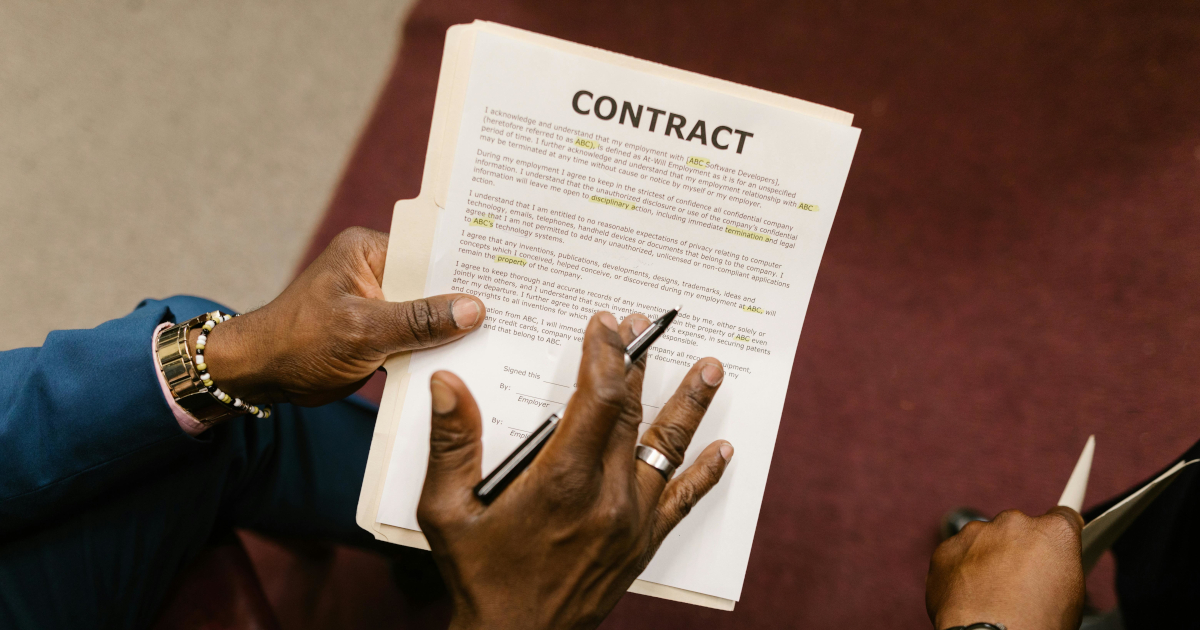
The radical policy divergence occurring with every change in presidential administration has created significant challenges for businesses navigating employment law. A primary concern is the swinging pendulum of federal policy, particularly regarding worker classification. Republican administrations typically favor pro-employer frameworks that simplify classification and make it easier to use independent contractors, while Democratic administrations tend to reinstate worker-focused economic reality tests that scrutinize relationships to favor employee status. This constant change makes long-term business planning and operational compliance a high-stakes guessing game.
Wage and hour regulations present another compliance challenge, as overtime rules and minimum salary thresholds for exempt employees undergo frequent major revisions and judicial challenges based on political orientation. These changes require employers to continuously monitor and adjust compensation and classification structures to avoid costly lawsuits. Federal agencies like the EEOC and NLRB experience significant shifts in enforcement priorities, staffing, and regulatory authority depending on the incumbent president's agenda, with some focusing on deregulation while others push for aggressive enforcement of worker-friendly rules and union protections.
Political polarization has amplified legal fragmentation between federal and state laws, creating a confusing patchwork across the country. As federal standards are challenged or weakened, states led by Democratic majorities increasingly pass laws creating stronger worker protections, including higher minimum wages, mandatory paid family leave, and local anti-discrimination measures. Conversely, Republican-led states focus on laws that preempt local ordinances or pass trigger laws that would automatically enact business-friendly labor regulations if federal law is weakened. For national employers, this divergence means a single centralized compliance policy is nearly impossible, requiring costly and complex understanding of local nuances such as varying non-compete bans, pay transparency laws, and specific protected classes not covered by federal law.
The extreme political polarization increasingly spills over into workplaces, forcing employers to navigate sensitive culture war issues that pose legal and operational risks. Employees bringing political views into offices or social media often leads to conflicts, and since federal law does not protect political affiliation in the private sector, employers must carefully navigate discipline for political speech to avoid discrimination, harassment, or retaliation claims. Diversity, equity, and inclusion initiatives have become politically contentious, with employers facing pressure from different political factions regarding program scope and nature, risking backlash, shareholder scrutiny, and potential reverse discrimination claims if policies are not carefully implemented. Heated political discussions can escalate into hostile work environment allegations based on protected categories, forcing employers to mediate conflicts while maintaining professional, productive, and discrimination-free environments. The political climate has transformed employment law from a stable regulatory field into a volatile landscape defined by ideological battles, regulatory instability, and jurisdictional confusion that requires proactive legal guidance. More information about navigating these challenges is available at https://www.hierophantlaw.com.