RE:CIRCLE Solutions Transforms Food Waste into High-Value Animal Feed with Scientific Approach
RE:CIRCLE Solutions is revolutionizing organic waste management by repurposing pre-consumer food waste into precision animal feed formulations through scientific analysis, offering California businesses compliance with SB 1383 regulations while creating measurable environmental and nutritional value.
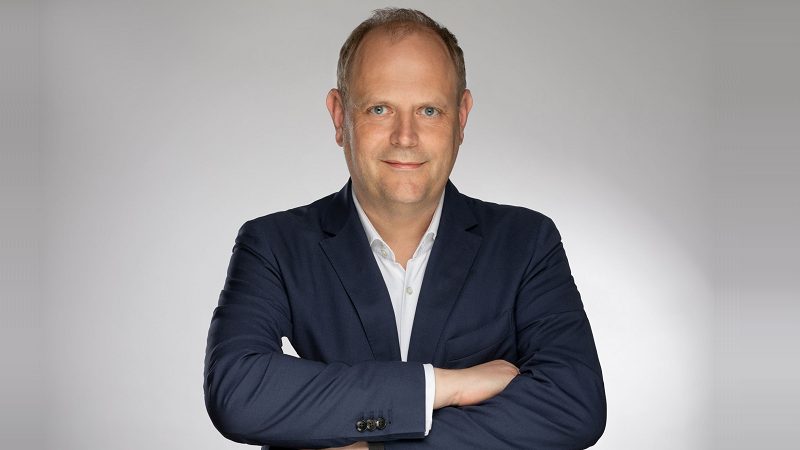
RE:CIRCLE Solutions has developed a transformative approach to organic waste management that fundamentally reimagines traditional disposal methods. Unlike conventional waste companies focused on landfill diversion, the company operates what founder and CEO Clemens Stockreiter describes as an industrial nutrition facility where pre-consumer food waste becomes high-value animal feed products. The Ontario-based facility processes 100 tons daily from grocers and food processors, employing PhD nutrition scientists who analyze every inbound shipment to determine optimal feed formulations.
The company's methodology represents a significant shift from waste disposal to value creation. Rather than treating organic waste as something to eliminate, RE:CIRCLE extracts maximum nutritional value before food reaches consumers. The facility produces customized blends for cattle, swine, and anaerobic digestion applications, with several proprietary formulations in development. This scientific approach maintains consistent, high-quality output despite variability in seasonal produce availability and different waste streams from grocery chains and food processors.
A key differentiator is the TraceOS system, which provides full traceability for organic waste streams and helps large retailers and food processors meet California's SB 1383 requirements. The technology offers auditable documentation with complete tracking of inbound and outbound weights, plus real-time calculation of emissions avoided for every shipment. Companies can demonstrate to stakeholders exactly how much waste they've diverted from landfills and quantify their carbon impact reduction through concrete data for sustainability reporting.
The business model creates competitive advantages beyond basic compliance. While traditional waste management treats organic waste as a cost center, RE:CIRCLE transforms it into a revenue-generating asset while delivering superior environmental outcomes. The company tracks total emissions avoided for each shipment, showing clients the CO₂-equivalent avoided per ton of diverted waste. This level of transparency and accountability separates the approach from basic waste haulers who can only report disposal locations rather than environmental impact achievements.
RE:CIRCLE's expansion strategy focuses on perfecting their scalable California model before broader deployment. The Ontario facility was designed with replication in mind, featuring a second depackaging line ready for deployment once partnerships are secured. Stockreiter describes the approach as copy-and-paste scalability, with California's substantial market supporting multiple facilities, particularly with SB 1383 driving demand. The company targets strategic locations serving major retail and food processing clusters while maintaining their high-touch, scientific approach to waste transformation.
The model contributes to circular economy principles by keeping organic resources in play at their highest possible value. Unlike composting or anaerobic digestion, which often represent end points for waste streams, RE:CIRCLE's approach creates precision feed blends that directly reduce the need for traditional agricultural inputs. This cuts emissions on two fronts: preventing methane from landfills and displacing carbon-intensive feed production. For companies rethinking sustainability strategies, the partnership offers innovation storytelling and circular economy leadership rather than basic compliance narratives.