Renewable Energy Transition Presents Both Environmental Challenge and Opportunity
The global shift to clean energy creates tension between climate goals and wildlife protection, but emerging strategies demonstrate how careful planning can achieve both environmental objectives.
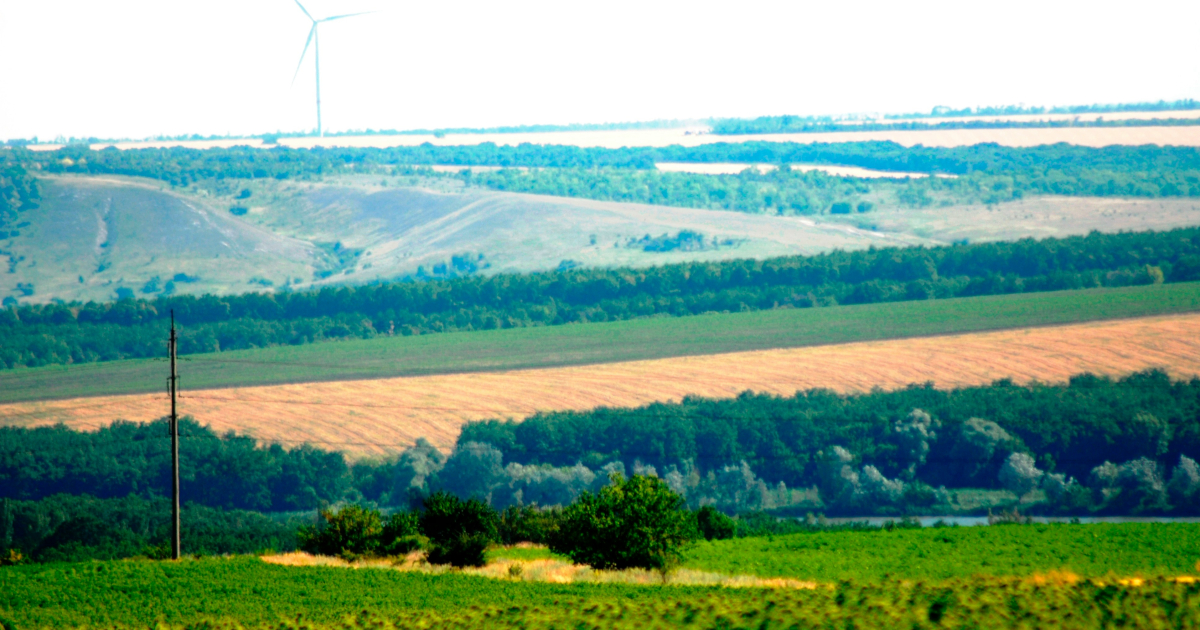
The global transition to clean energy represents a critical response to climate change, yet renewable infrastructure development poses increasing threats to wildlife and ecosystems. Large solar panel arrays displace animal species, rotating wind turbine blades strike flying creatures, and river barriers for hydropower damage aquatic environments. This creates significant tension between the urgent need to reduce emissions and the equally important goal of protecting natural habitats.
As nations work to meet international climate commitments, the challenge of balancing emission reduction with ecological preservation becomes increasingly apparent. The push for rapid renewable energy deployment must be carefully managed to avoid unintended environmental consequences that could undermine the broader sustainability goals driving the clean energy transition.
Emerging strategies and innovative approaches demonstrate that these competing environmental priorities can be reconciled through thoughtful planning and technology selection. Companies focusing on the energy transition by leveraging existing infrastructure, such as rooftop installations, provide practical pathways for renewable energy adoption without additional land use impacts. This approach represents one of several solutions that can deliver both climate benefits and wildlife protection.
The careful siting of renewable energy projects, combined with advanced technology and comprehensive environmental assessments, offers promising avenues for minimizing ecological harm. For more information about companies working in this space, visit https://www.GreenEnergyStocks.com. Additional details about terms and disclaimers can be found at https://www.greennrgstocks.com/Disclaimer.
This dual focus on climate action and ecosystem protection reflects the complex nature of environmental stewardship in the 21st century. The successful integration of renewable energy into landscapes requires ongoing innovation, regulatory frameworks that prioritize both climate and conservation goals, and continued research into minimizing wildlife impacts. As the clean energy transition accelerates globally, the development of strategies that simultaneously address climate change and biodiversity loss becomes increasingly essential for achieving comprehensive environmental sustainability.