San Diego Homeowners Urged to Inspect Pool Decks Ahead of Summer Heat
Experts warn that aging pool decks in San Diego can become dangerously slippery and hot, prompting the need for inspections and UV-stable coatings before peak summer use.
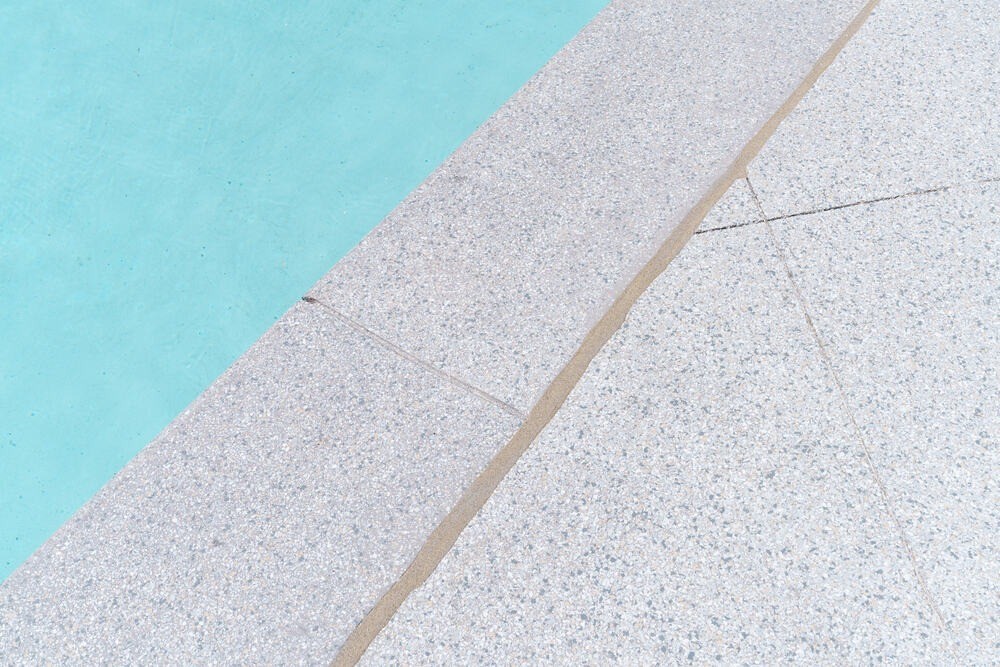
As temperatures climb across Southern California and pool season approaches, outdoor safety experts are urging San Diego homeowners to inspect and address aging pool deck surfaces before summer's peak use begins. Worn, cracked, or uncoated concrete around pools can become dangerously slippery when wet and reach surface temperatures high enough to cause burns on bare feet within seconds — hazards that intensify during the region's hottest months.
The advisory comes as outdoor living continues to reshape American homes. According to the 2025 U.S. Houzz & Home Study, 53 percent of renovating homeowners enhanced their outdoor spaces in 2024, completing nearly two outdoor projects on average. A separate analysis from Future Market Insights found that 65 percent of new homes built in 2024 included at least one outdoor living structure, up from 48 percent in 2019 — underscoring how central patios, pool decks, and outdoor entertaining areas have become to modern residential life.
In San Diego County, where year-round sunshine supports outdoor living 12 months a year, pool decks endure a combination of stressors uncommon in most U.S. markets. Intense ultraviolet radiation breaks down unprotected concrete over time, causing surface deterioration, discoloration, and micro-cracking. Coastal communities from Carlsbad to La Jolla also contend with salt-laden marine air, which accelerates pitting and spalling on exposed concrete surfaces. Combined with morning marine layer humidity that can trap moisture beneath coatings, these conditions compromise both the safety and structural integrity of pool deck surfaces within just a few years.
"Most homeowners do not think about their pool deck until something goes wrong — a crack appears, the surface gets too hot to walk on barefoot, or someone slips on a wet edge," said Troy, co-owner of North County Synthetic Coatings, a Penntek-certified concrete coating installer serving San Diego County. "Spring is the right time to assess your outdoor surfaces, before your family and guests are using the pool every day."
Concrete is a porous material that absorbs moisture, oils, and chemical residue over time. In coastal San Diego environments, salt particles carried by ocean air penetrate the surface and promote a chemical reaction that weakens the concrete matrix from within. Ultraviolet radiation compounds the problem. While San Diego's climate spares concrete from freeze-thaw cycles, the area's intense year-round sun exposure degrades surface coatings and sealers at an accelerated rate. Standard epoxy-based coatings are particularly vulnerable — UV causes yellowing, chalking, and eventual delamination, often within two to three years of application.
Before summer arrives, homeowners should examine pool decks for visible cracking or spalling, rough or uneven texture, discoloration or fading from UV exposure, and areas where previous coatings have begun to peel or bubble. Surface temperature is an often-overlooked safety concern. Lighter-colored surface treatments with higher solar reflectance can reduce deck temperatures meaningfully, making them a practical consideration for families with children.
Homeowners evaluating pool deck coatings should consider UV stability, slip resistance, heat reflectivity, and chemical resistance. Polyurea and polyaspartic coating systems have gained traction as alternatives to traditional epoxy, offering faster cure times, greater flexibility, and superior UV resistance. Proper surface preparation, including diamond grinding and moisture testing, is critical for coating adhesion, particularly in coastal areas where marine layer humidity can cause failure.
The implications of this advisory are significant for San Diego homeowners: neglecting pool deck maintenance can lead to safety hazards and costly repairs, while proactive inspections and appropriate coatings can enhance durability, comfort, and property value.