Service Robotics Adoption Accelerates as Businesses Seek Automation Solutions
The global service robotics market is projected to grow from $31 billion in 2026 to over $131 billion by 2034, driven by workforce shortages and efficiency demands, with companies like Nightfood Holdings positioning themselves in the sector.
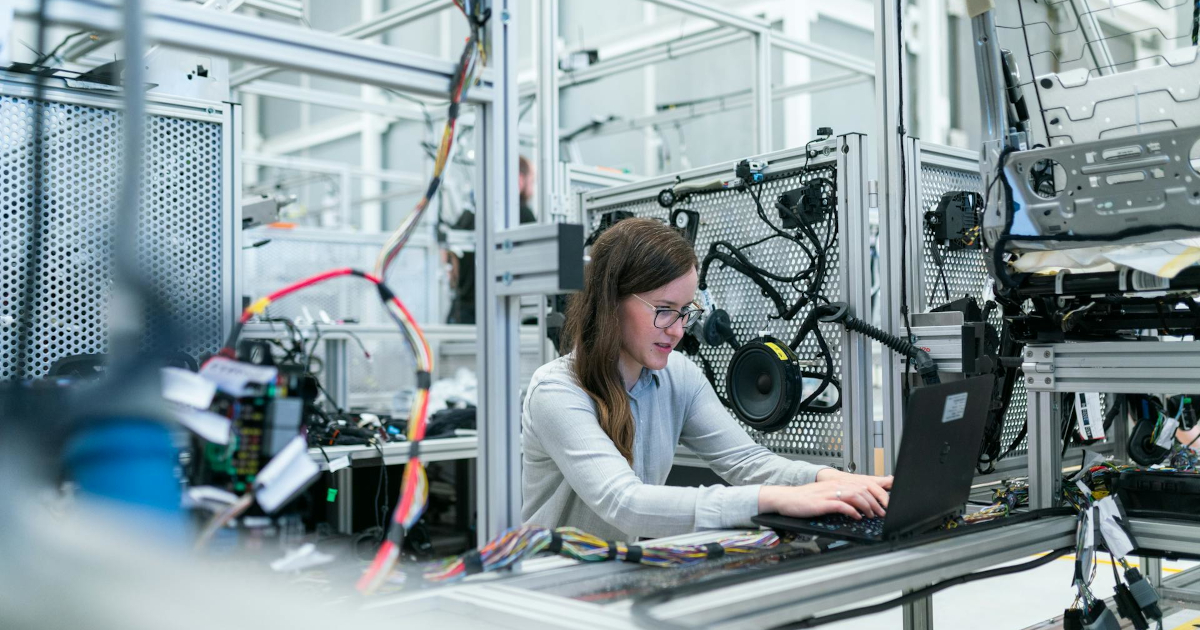
The service robotics industry is experiencing a significant surge in adoption as organizations worldwide turn to automation to address persistent workforce shortages, rising operational costs, and efficiency challenges. According to the International Federation of Robotics, deployment of service robots continues to broaden across multiple industries, with hundreds of thousands of systems being deployed annually. Growth is particularly notable in healthcare, logistics, and hospitality sectors, where labor constraints and the need for precision are driving investment.
Market projections underscore the scale of this transformation. The service robotics market is expected to expand from approximately $31 billion in 2026 to more than $131 billion by 2034, reflecting sustained double-digit growth fueled by advances in artificial intelligence and automation technologies. This trajectory signals a fundamental shift in how businesses approach operations, moving from manual processes to AI-driven systems that can perform tasks ranging from inventory management to patient care.
One company aligning itself with this trend is Nightfood Holdings Inc. (OTC: NGTF), doing business as TechForce Robotics. The firm is prioritizing real-world deployment and scalable systems, while forging strategic collaborations to support global expansion in AI-driven robotics. By focusing on practical applications rather than theoretical concepts, TechForce Robotics aims to establish itself as a forward-looking participant in the competitive AI and automated robotics sector. The company joins a landscape that includes industry leaders such as NVIDIA Corporation (NASDAQ: NVDA), Tesla Inc. (NASDAQ: TSLA), and Amazon.com Inc. (NASDAQ: AMZN), all of which are heavily invested in robotic technologies.
The implications of this market growth are far-reaching. For businesses, adopting service robotics can lead to increased productivity, reduced labor costs, and improved accuracy in repetitive tasks. For the broader economy, it may help mitigate the effects of labor shortages in critical sectors like healthcare and logistics. However, the rapid pace of automation also raises questions about workforce displacement and the need for reskilling programs. As robots take on more roles, companies and policymakers must consider how to balance efficiency gains with social responsibilities.
Investors are closely watching the service robotics space, as companies that successfully commercialize AI-driven robots could see substantial returns. The projected growth from $31 billion to $131 billion in less than a decade suggests a market ripe with opportunity, but also one that will require significant capital and innovation to reach its full potential. Nightfood Holdings' strategy of focusing on real-world deployment and scalability may position it to capture a share of this expanding market, though competing with established tech giants will be challenging.
As the service robotics industry continues to evolve, its impact on business operations and the global economy will become increasingly pronounced. The next few years will be critical in determining which players lead the charge and how quickly automation transforms everyday work environments.