Siberian Artist's Melting Ice Sculpture in Egyptian Desert Highlights Climate Crisis
Elena Tengri's monumental ice sculpture in Egypt's desert serves as a powerful metaphor for global warming, drawing attention to water scarcity and environmental imbalance affecting billions worldwide.
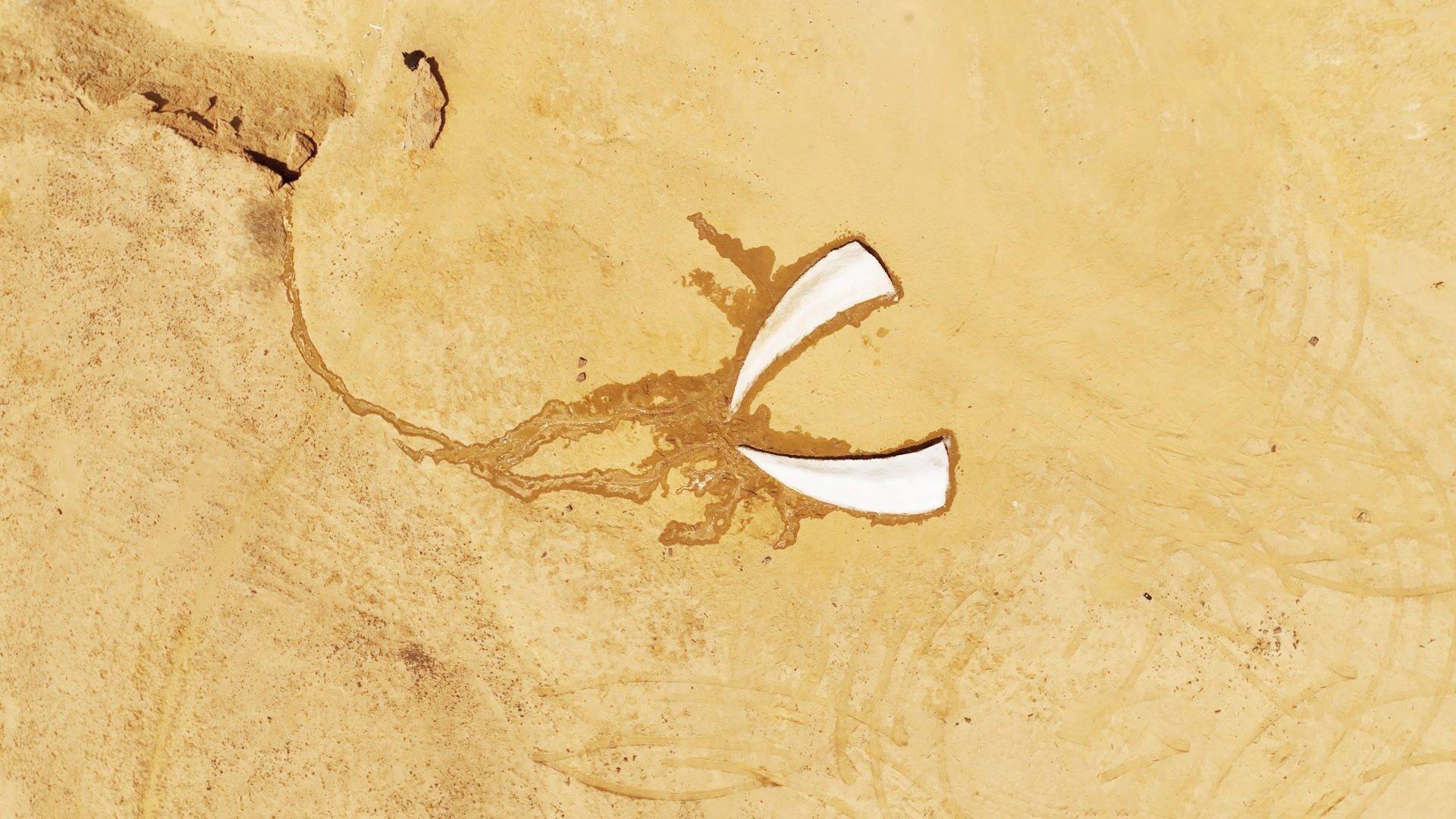
Young Siberian artist Elena Tengri has unveiled "Ashes of the Cold," an ambitious environmental art project that brings the harsh realities of climate change to the Egyptian desert through the lens of Siberian folklore. The project features a monumental sculpture crafted from ice and snow, measuring six meters in length and weighing seven tons, which rises from the desert landscape as a stark visual contradiction of Arctic materials slowly dissolving under the relentless Egyptian sun.
Originally from Yakutia, the coldest inhabited region on Earth where temperatures plummet to -70°C, Tengri draws inspiration from the ancient Sakha myth of the Bull of Cold. According to legend, the breath of this giant Arctic spirit brings wintertime to Siberia, and when its horns fall and melt at season's end, warmth returns to the land. In Tengri's contemporary interpretation, the melting horns become a stark metaphor for global warming. "Unlike in the legend, here the melting of the horns is not a promise of spring, but a sign of nature's disappearing balance," the artist explained.
The project encompasses two iterations, with the first installation situated at Petrified Forest National Park, where the ice horns created a powerful juxtaposition between the fragility of frozen water and the permanence of ancient stone. The Ministry of Environment of Egypt supported the project's realization at this location. The second was a three-day event at a local horse farm, where the seven-ton sculpture was left to melt completely while being captured in time-lapse video, creating a visceral metaphor for the potential disappearance of cold from the planet.
Tengri's work arrives at a critical moment in the global climate conversation. More than 4 billion people worldwide currently experience severe water scarcity at least one month per year, with projections indicating that 1.8 billion people will face "absolute" water scarcity as of this year. Countries with arid climates, including Egypt, are on the frontlines of the crisis, with millions suffering from a lack of clean water, heat-related illness and air pollution. "The climate crisis rarely erupts in a single dramatic event," Tengri noted. "More often it unfolds quietly, gradually and inexorably."
As the sculpture slowly dissolves, leaving only water to sink into sand, the public becomes witnesses to an unstoppable process. The ephemeral nature of the materials underscores humanity's vulnerability in the face of an environmental crisis. "The work reminds us that the cycles and seasons we once trusted are not eternal, and that the comfort we take for granted can disappear as quietly as ice and snow melting in the desert sun," Tengri said. More information about the artist's work is available at https://www.elenatengri.art.
"Ashes of the Cold" serves not only as a gesture of loss but as an invitation to reflection for those who see it up close, challenging them to confront the quiet urgency of climate change through the universal language of melting ice. The project represents a fusion of ancient mythology and environmental activism, using the stark contrast between Siberian cold and Egyptian heat to communicate the global nature of the climate crisis affecting communities worldwide.