Sioux Falls Oral Surgery Practice Publishes Guide to Ease Patient Anxiety About Tooth Extraction
A new patient education resource from Siouxland Oral & Maxillofacial Surgery aims to demystify tooth extraction procedures, addressing common fears and promoting timely treatment.
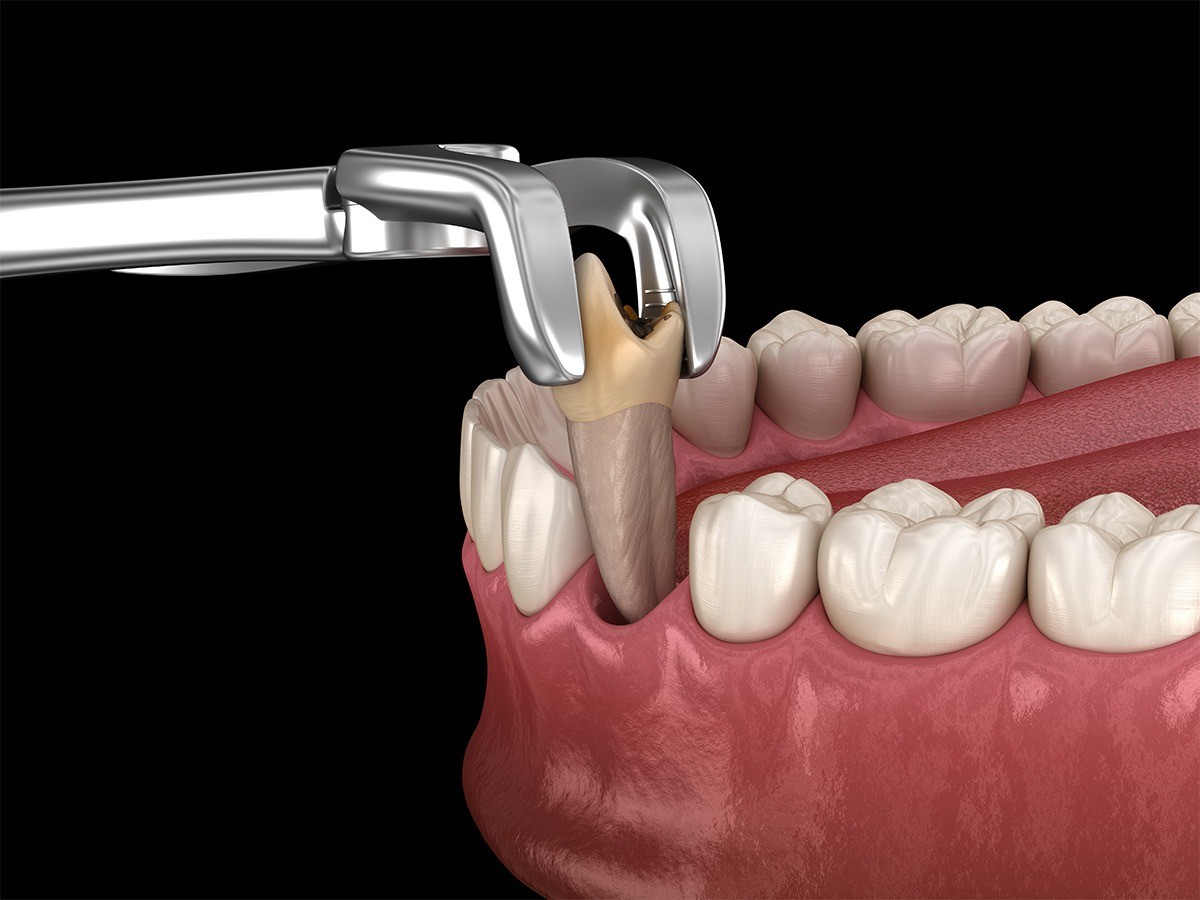
Siouxland Oral & Maxillofacial Surgery has released a comprehensive patient education guide covering key facts about tooth extraction procedures, aiming to reduce anxiety and encourage timely treatment among patients in the Sioux Falls area. The practice notes that many patients arrive for consultations with limited understanding of what the procedure entails, leading to unnecessary fear and, in some cases, postponed care.
The guide outlines five critical aspects of tooth extraction. First, it explains when extraction becomes necessary, including severe decay that compromises tooth structure, crowding for orthodontic treatment, and impacted wisdom teeth, which commonly affect patients aged 17 to 25. Extractions in these cases are often recommended to prevent complications such as infection or damage to adjacent teeth.
Second, the resource details comfort measures used during the procedure. Local anesthesia is standard for all extractions, ensuring the treatment area is fully numbed. For patients with significant anxiety or undergoing complex removals, sedation options are available and discussed during pre-procedure consultations. Dr. [Lead Surgeon Name], an oral and maxillofacial surgeon at the practice, emphasized, "We see patients every week who delay necessary treatment because they are afraid of pain, but the reality is that modern anesthesia protocols make most extractions far more manageable than patients expect." Patients are encouraged to communicate with the surgical team if their comfort level changes during the appointment.
Third, the guide provides a step-by-step recovery plan. The first 24 hours are critical: patients should bite down on gauze for 30 to 45 minutes to support blood clot formation, avoid spitting or using straws, apply ice packs in 20-minute intervals, rest, and consume soft foods. Days two through five typically bring gradual improvement, with gentle saltwater rinses starting after 24 hours.
Fourth, the resource addresses dry socket, a common post-extraction complication affecting 2 to 5 percent of standard extractions and a higher proportion of lower wisdom tooth removals. Symptoms include sharp pain two to four days after the procedure, an empty socket, and an unpleasant taste or odor. Smoking, straw use, and forceful rinsing are common contributing factors. The practice advises patients to adhere to post-operative instructions and contact the office promptly if dry socket develops, as treatment is straightforward and provides relief.
Finally, the guide highlights the value of specialized care. Siouxland Oral & Maxillofacial Surgery focuses exclusively on surgical procedures of the mouth, jaw, and face, performing extractions as a primary service. The practice coordinates with referring general dentists to ensure continuity of care from diagnosis through follow-up.
This resource comes as part of the practice's ongoing effort to educate patients and reduce barriers to treatment. For more information, visit Siouxland Oral & Maxillofacial Surgery.