Smart Strategies for Affordable Dental Implants in 2026: A Comprehensive Guide
The article outlines the costs, factors, and smart ways to save on dental implants in 2026, emphasizing the importance of balancing affordability with quality to achieve long-term oral health benefits.
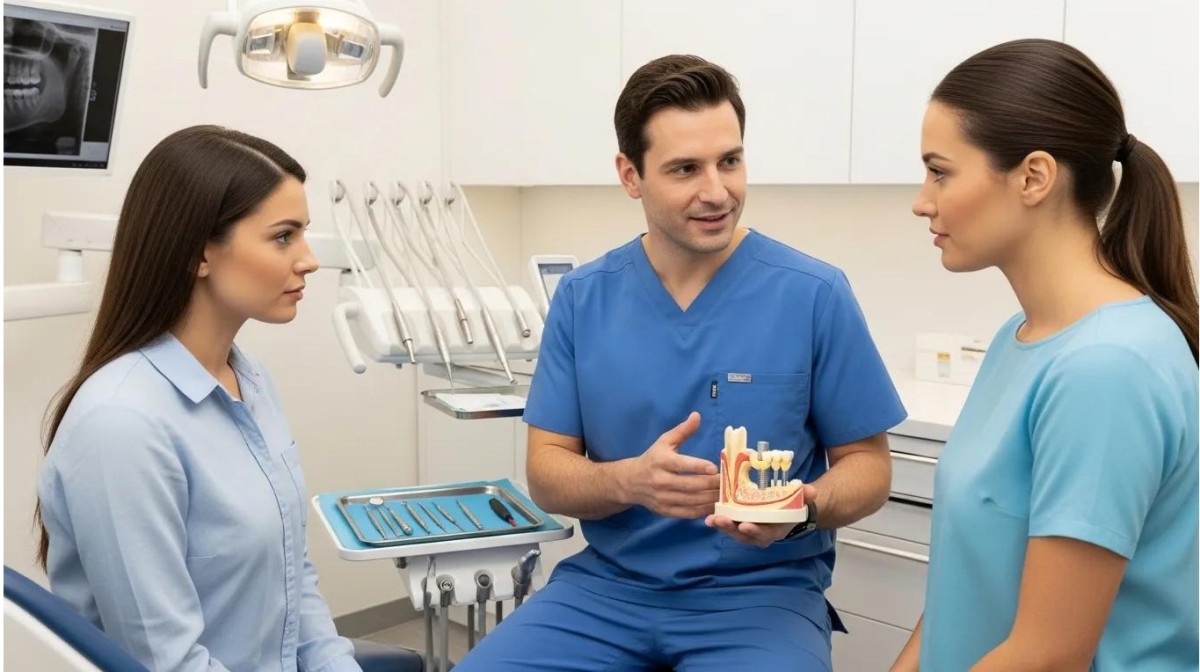
Dental implants remain one of the most effective solutions for replacing missing teeth, but their cost can be a barrier for many patients. In 2026, a single implant typically ranges from $1,000 to $3,500, with additional procedures such as bone grafts or sinus lifts adding $300 to $2,000. Full arch implants can cost between $15,000 and $30,000. Understanding these costs and exploring ways to reduce them without sacrificing quality is crucial for patients seeking treatment.
According to a new guide from Affordable Dentist Near Me of Denton, several factors influence implant pricing. The brand and materials used, the dentist's expertise, and the clinic's location all play a role. Premium brands and experienced specialists in high-cost areas often charge more, but mid-range brands can offer reliable results at lower prices. Patients are advised to consider dental schools or training clinics, where supervised students provide treatments at reduced rates. Traveling to lower-cost areas or opting for package deals that bundle services can also lead to significant savings.
The guide emphasizes that while cheap implants may seem appealing, they carry risks. Low-quality materials and inexperienced dentists can lead to complications such as implant failure, requiring costly corrections. The key is to find a balance between cost and quality. Financing options, including installment plans and dental loans, can help manage expenses. Some insurance plans offer partial coverage for implants, so reviewing policies is recommended.
Implants offer long-term benefits over alternatives like dentures and bridges. They preserve jawbone density, provide stability, and can last 15–25 years or longer with proper care. In contrast, dentures may require frequent adjustments and replacements, while bridges involve altering adjacent teeth. The initial investment in implants often pays off in durability and comfort.
The step-by-step process includes consultation, imaging, implant placement, healing, and final restoration. Patients should compare providers, request detailed quotes, and prioritize experienced professionals. Maintaining good oral hygiene and regular check-ups extends implant lifespan and prevents costly issues.
For those in Denton, Texas, the guide offers practical advice on achieving affordable dental implants without compromising quality. By exploring options like mid-range brands, dental schools, and financing, patients can restore their smiles with confidence.