Special Education Resource Offers Tailored Homeschool Programs for Children with Autism
Special Education Resource provides structured homeschooling solutions for children with autism, addressing the growing trend of families seeking personalized education that accommodates sensory needs and learning styles.
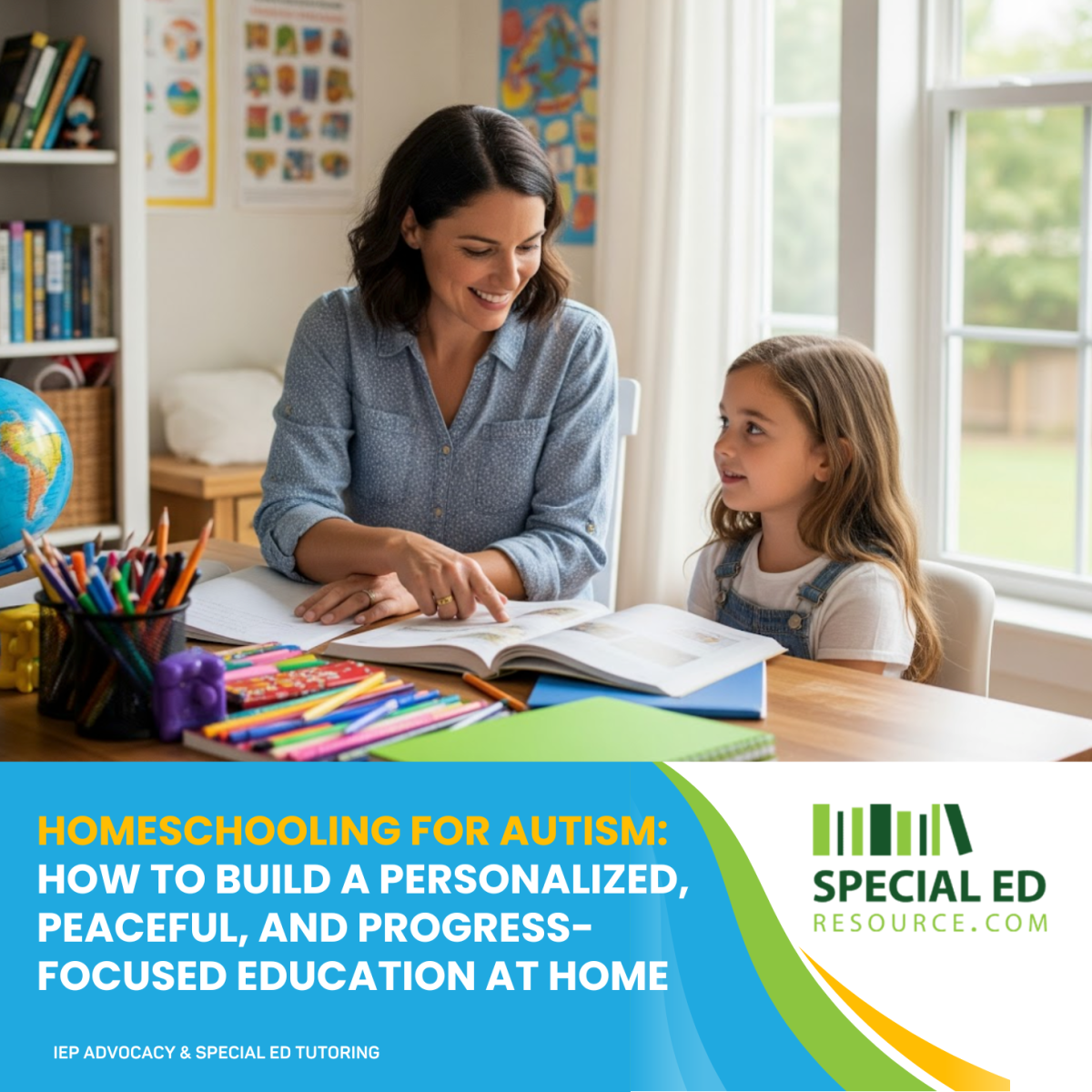
Across the United States, increasing numbers of parents are choosing homeschooling for their children with autism, seeking alternatives to traditional classrooms that often fail to accommodate sensory needs, communication styles, and individual learning paces. This shift represents a fundamental change in how families approach autism education, prioritizing calm environments over chaotic classrooms and meaningful progress over standardized benchmarks.
Special Education Resource has positioned itself as a key resource for families navigating this transition, offering customized homeschool programs that blend flexibility with structured support. The company's approach begins with comprehensive assessment that goes beyond academic levels to understand sensory sensitivities, attention patterns, and learning motivators. This detailed evaluation allows tutors to identify root causes of learning challenges, whether they involve reading comprehension gaps, fine motor difficulties, or working memory issues.
The personalized nature of these programs reflects the understanding that no two students with autism learn the same way. Some thrive on visual learning while others respond better to repetition or movement-based instruction. The company's methodology targets underlying barriers to learning rather than surface-level symptoms, resulting in decreased frustration and rapidly growing confidence among students. Families can explore these individualized support options at https://specialedresource.com/.
Creating an effective homeschool environment requires careful attention to sensory considerations and routine structure. Key strategies include minimizing sensory overload through soft lighting and reduced background noise, implementing predictable routines using visual schedules, incorporating strategic movement breaks, and connecting lessons to students' specific interests. These environmental adjustments benefit both students and parents, transforming homeschooling from a daunting challenge into a manageable, rewarding experience.
Professional tutoring plays a crucial role in homeschool success, with Special Education Resource offering both individual and group options. Individual tutoring provides focused attention for students working through significant skill gaps, while group tutoring reduces costs and adds valuable social interaction in supportive small-group settings. Both approaches maintain the core principle of targeting true learning barriers rather than symptoms.
The most effective autism homeschool curricula incorporate multi-sensory learning tools that combine sight, sound, and touch; short, structured lessons to prevent overload; real-world applications that connect academic skills to daily life; and ongoing assessment to ensure the curriculum evolves with the child's needs. This adaptive approach helps students not only keep pace with academic expectations but often exceed them, unlocking potential that traditional educational settings may overlook.
As homeschooling for autism continues to gain momentum nationwide, the availability of structured, expert-guided programs represents a significant development in special education. These resources provide families with viable alternatives to traditional schooling systems that frequently struggle to meet the unique needs of autistic learners, offering paths to academic achievement that also foster emotional growth and personal confidence.