Strategic Podcast Guesting Emerges as Key Business Growth Strategy
Podcast interviews can generate measurable business results including increased search visibility, qualified leads, and enhanced brand authority when executed with strategic preparation and follow-up.
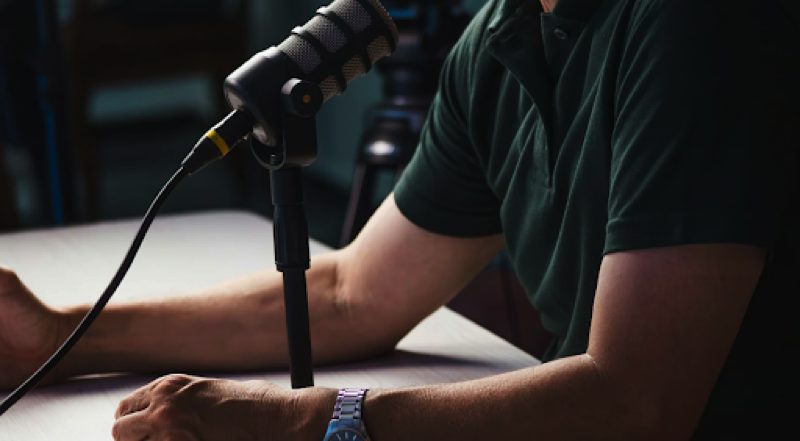
Business leaders are discovering that podcast guest appearances, when strategically executed, can deliver substantial measurable returns beyond casual conversation. The evolving search landscape, where traditional results now compete with AI-generated answers, makes podcast guesting an increasingly valuable component of public relations strategy. One well-prepared interview can generate durable backlinks, quotable content, and steady referral traffic when properly structured.
The effectiveness of podcast guesting for organic and AI search relies on three compounding signals over time. Backlinks and clean citations require hosts to link to one primary page and one supporting page with exact titles and anchor text, creating crawlable show notes that AI systems can easily reference. Brand mentions that strengthen entity signals depend on consistent use of names, titles, and company products, supported by a one-sheet with preferred spelling and descriptions. Referral clicks from both listeners and AI panels work best when episode pages deliver exactly what was promised during the interview.
Selecting the right podcasts proves more critical than pursuing maximum reach. Quality shows demonstrate consistent publishing schedules, include outbound links in show notes, feature guests from relevant industries and seniority levels, and maintain active presence across multiple channels. Priority should go to niche-focused programs over general variety shows, hosts who request preparation materials, structured show notes with timestamps, and episodes that already rank for non-branded queries. Warning signs include show notes without links, irregular publishing, vague audience descriptions, and clickbait titles with thin content.
Professional preparation ensures language lands effectively in titles, notes, and transcripts where discovery occurs. This involves listening to recent episodes to understand pacing patterns, drafting three talking points with concrete stories and quotable lines under 120 characters, preparing multiple bio lengths, and confirming episode title options with specific links and anchor text. Technical preparation includes testing equipment and showing up early, while content preparation focuses on delivering one sharp angle, one story, and one resource matching the theme. Speaking in complete, tight thoughts enables editors to pull clean clips, while mentioning a short URL strategically helps direct traffic.
Conversion optimization requires sending all links to a focused landing page rather than the homepage. Effective landing pages feature one promise matching interview content, a clear call to action, a short FAQ addressing listener questions, links to proof pages like case studies or data, and contact options for press or speaking requests. Adding an author box with credentials, an "as heard on" logo strip, and sourced statistics helps build trust with both human visitors and AI systems understanding authority signals.
Content repurposing transforms single interviews into multiple valuable assets without requiring extensive resources. Building blocks include recap blogs with takeaways and commercial page links, 30-60 second social media clips with carousels, media room additions with descriptions and show logos, quote integration into About pages or sales decks, and link inclusion in onboarding and nurture emails. Resharing content at 30, 60, and 90-day intervals extends visibility, while publishing edited transcripts with clear H2s, 100-word summaries, and resource links serves both AI systems and human searchers.
Measurement should focus on board-respectable signals rather than superficial metrics. Search growth appears through increased branded search and ranking improvements for landing pages and transcripts. Traffic analysis examines referral sessions from show note UTMs within seven days and at 30-day intervals. Authority development tracks backlinks from show sites, mentions by other hosts, and follow-up invitations. Pipeline impact emerges when sales calls include prospect references to episodes or repeated interview lines, while talent acquisition benefits when applicants cite interviews during application processes.
A business-to-business services client demonstrated these principles by booking six shows over eight weeks focused on one message and one resource page. Providing hosts with exact anchor text, titles, and short URLs, combined with publishing edited transcripts and light promotion, yielded significant results within four weeks. Two episodes ranked for non-branded queries, branded search increased, sales teams heard prospects using interview lines, the media page earned additional links, and trade media extended panel invitations—all achieved without increasing headcount through smarter structural approach.