Texas Couple's Alpaca Farm Revolutionizes Sustainable Agriculture in Maryland
Black Barn Alpacas demonstrates how sustainable agritourism can transform American agriculture through ethical animal care, environmental responsibility, and community engagement while challenging misconceptions about the industry.
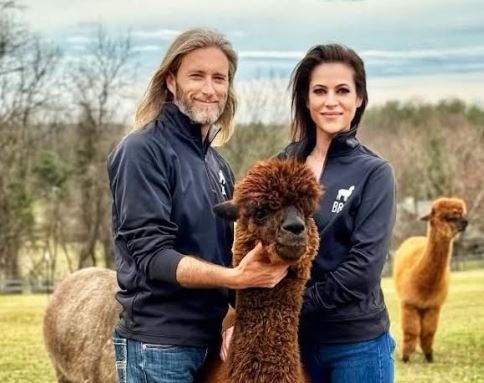
Yussy and Travis McManus transitioned from Texas construction entrepreneurs to operating Maryland's largest alpaca farm, creating a sustainable agritourism model that attracted over 20,000 visitors during their inaugural fall festival. The couple's journey began when they closed their construction business in 2020 and discovered alpacas' sustainable qualities, leading them to establish Black Barn Alpacas on 50 acres.
The farm's success stems from multiple revenue streams including educational programs, seasonal events, and wellness offerings. Educational programs address modern challenges, with nearly 39% of teens reporting anxiety from social media and half of Gen Z students feeling disengaged in school. The farm combines math, science, and sustainability into hands-on activities while supporting programs like PATHS® (Promoting Alternative Thinking Strategies) that foster emotional literacy and social competence.
Seasonal events like "Fall 'Ag'tivities," "Easter Egg'stravaganza," and "Fleece Navidad" generate significant revenue, particularly during September and October when the farm operates at peak capacity. The operation includes a show-quality breeding program and retail shoppe featuring alpaca fiber products that showcase the material's hypoallergenic, antimicrobial, and thermoregulating properties.
The McManuses relocated their operation from Texas to Maryland primarily for animal welfare reasons, as Texas heat proved challenging for the alpacas. The move involved transporting nearly 100 animals across four species along with equipment and businesses, while adapting to Maryland's highly regulated agritourism environment compared to Texas's minimal regulations.
Beyond tourism, the farm maintains strong community connections by sourcing pumpkins from local young farmers, partnering with area wellness instructors, and working with local businesses for merchandise. The operation participates in the Carroll County Agritourism passport program, encouraging regional farm exploration.
The McManuses' vision extends beyond their current success to transforming American agriculture. They challenge misconceptions about alpaca farming, particularly addressing PETA's campaign against alpaca shearing following their 2020 investigation at a Peruvian facility. Dr. Michelle Ing, a veterinarian specializing in alpaca care for 22 years, explains the medical necessity of annual shearing, stating that unshorn alpacas can suffer from heat stress, matting, injuries, and even death.
The couple advocates for domestic manufacturing of alpaca products, noting that most processing currently occurs overseas in Peru and Bolivia. They envision a network of small alpaca farms across America that could create American jobs, reduce shipping emissions, and maintain high animal welfare standards. Alpaca farming represents one of the most sustainable agricultural forms, requiring significantly less water, land, and energy than traditional livestock while being carbon-neutral.
Every visitor interaction serves the larger purpose of educating Americans about sustainable agriculture, animal welfare, and environmental responsibility. The farm demonstrates how business success, animal welfare, and environmental stewardship can be mutually reinforcing, offering a practical model for revolutionizing American agriculture and manufacturing practices.