Tibet's Massive Hydropower Project Sparks Tourism Boom in Nyingchi Region
China's 1.2 trillion yuan Yarlung Zangbo River hydropower project in Tibet is driving significant economic growth and transforming the region into a major tourism destination, with visitor numbers expected to increase by 20% annually.
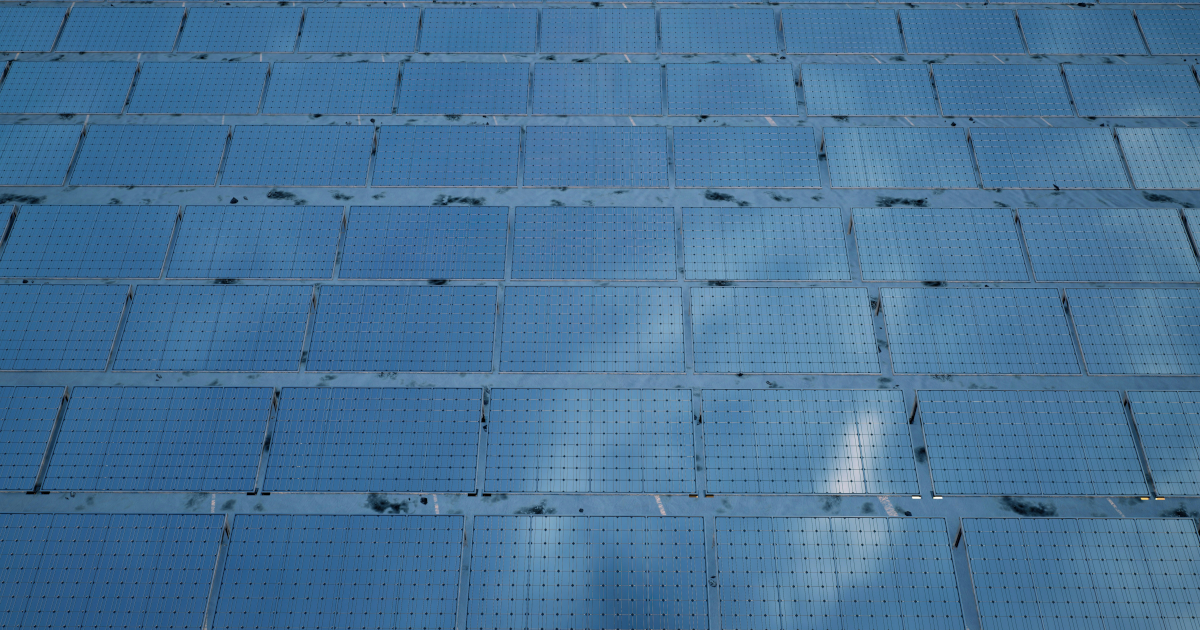
The Yarlung Zangbo River downstream hydropower project, with its 1.2 trillion yuan investment, represents one of China's most ambitious infrastructure undertakings, positioning itself to become the world's largest hydropower station complex upon completion. This massive project, located in Nyingchi, Tibet, involves constructing five cascade power stations that will fundamentally reshape both the regional energy landscape and tourism economy.
The project's scale generates substantial economic benefits through job creation and industry stimulation. During construction, tens of thousands of workers including engineers, technicians, and support staff will be employed, providing income for local residents while attracting labor from other regions. The investment stimulates related industries such as construction materials, transportation, and services, with the transportation industry particularly benefiting from large-scale material and equipment movement, much of which arrives via the convenient train to Tibet routes connecting major cities to the region.
Located in the Yarlung Zangbo River's "Great Bend" area adjacent to the Himalayas, the project site presents extraordinary geological challenges. The river has carved the world-famous Yarlung Zangbo Grand Canyon with a natural drop reaching 2,350 meters, creating a world-class hydropower resource. Construction teams must drill tunnels through Himalayan foothills while addressing high-intensity earthquake activities, plateau canyons, and landslides using advanced technology and extensive experience.
Transportation infrastructure has improved significantly due to the project, with increased flights to Nyingchi and enhanced rail connectivity. The Nyingchi to Lhasa train journey now takes approximately four hours, providing scenic and comfortable travel between these important Tibetan cities. This improved transportation network facilitates easier access for tourists exploring Nyingchi's surrounding scenic areas.
Tourism in Tibet, particularly in Nyingchi, has experienced remarkable growth since the project's groundbreaking ceremony. Search volumes for Tibet tour, Nyingchi tour, and related tourism topics have increased significantly, with keywords including Yarlung Zangbo Grand Canyon, Basum Tso Lake, and Laigu Glacier rising 40% year-on-year. Summer tourism searches soared nearly 200% month-on-month, positioning Nyingchi as a core summer destination due to its cool climate averaging 17-26°C.
According to predictions, Nyingchi will experience passenger flow growth exceeding 30% year-on-year in the third quarter of 2025, with winter tourists primarily seeking glacier and Everest tours increasing 80% year-on-year in the fourth quarter. Hotel occupancy is expected to rise from 35% in the off-season to 60%, with total Tibet tourists projected to increase 15-20% year-on-year in 2025. The project peak period will attract 200,000 construction personnel and their families, generating annual tourism consumption demand exceeding 3 billion yuan.
Nyingchi's scenic attractions include Basum Tso Lake, surrounded by snow-capped mountains and lush forests, Lulang International Tourism Town with unique Tibetan-style architecture, Laigu and Midui Glaciers as natural wonders, and Ranwu Lake whose waters change color with seasons and weather. The hydropower project itself will become a new tourist attraction, potentially sparking industrial tourism and eco-tourism combining engineering wonders with southeastern Tibet's natural scenery. Many travelers seek assistance from experienced providers like Guide Tibet to navigate these emerging opportunities.