Trump Administration Targets Maryland Wind Farm Permit as Political Tensions Escalate
The Trump administration's move to revoke a key federal permit for a major offshore wind project near Ocean City highlights growing political conflicts with Maryland Governor Wes Moore over infrastructure funding and environmental policy.
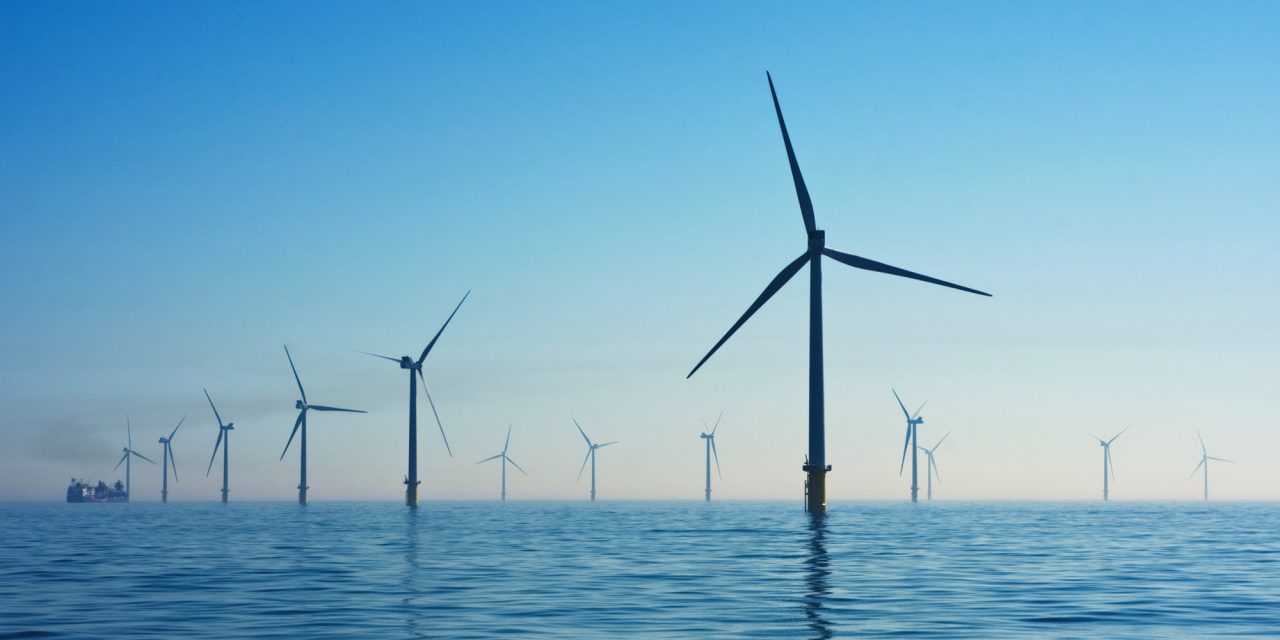
The Trump administration announced plans Monday to revoke the critical federal permit for US Wind's proposed offshore wind farm near Ocean City, signaling a potential reversal of Biden-era energy policies. In a court filing, the government revealed that the Bureau of Ocean Energy Management is reconsidering its prior approval of the construction and operations permit issued near the end of President Biden's administration. This development comes amid escalating political tensions between former President Donald Trump and Maryland Governor Wes Moore.
Governor Moore directly addressed Trump's recent social media threats to withhold federal funds for rebuilding the Francis Scott Key Bridge, stating Congress had already approved the funding last December weeks before Trump took office. Moore emphasized during an MSNBC appearance that Trump lacked authority over the allocated funds, stating Do not let someone take your power who did not give it to you in the first place. The conflict has intensified over the past two weeks with Trump threatening to send the National Guard to Baltimore and calling the city a horrible deathbed while questioning Moore's leadership capabilities.
Beyond the political sparring, Maryland faces significant healthcare challenges with nearly a quarter of adults reporting no primary care provider. The state maintains only one primary care clinician for every 900 people, and Medicaid patients face even greater barriers due to low reimbursement rates discouraging provider participation. The Maryland Department of Health has initiated efforts to increase investments in primary care to address these systemic shortages.
Additional policy changes from the Trump administration include an executive order targeting cashless bail systems that could affect Montgomery and St. Mary's counties, both of which have shifted away from money bail for non-violent offenders. The order directs the attorney general to identify jurisdictions that have substantially eliminated cash bail and restricts federal support for such policies.
Meanwhile, Baltimore continues moving forward with major redevelopment projects including the $900 million Harborplace transformation expected to begin construction by fall 2026. The project aims to enhance public access to the waterfront with improved promenades, greenspaces, and architecture focused on Baltimore's maritime identity. These developments occur against a backdrop of ongoing immigration enforcement actions, with ICE detaining individuals like Kilmar Abrego Garcia in Virginia facilities despite judicial interventions blocking deportation.
The convergence of energy policy reversals, healthcare access challenges, criminal justice reforms, and infrastructure funding disputes illustrates the complex interplay between federal and state governance affecting Maryland residents. The wind farm permit reconsideration particularly underscores how administrative changes can significantly impact renewable energy development and regional economic planning.