UK to Offer Free Electricity This Summer During Renewable Energy Surpluses
Britain's grid operator will launch a program this summer to incentivize households to increase electricity consumption during periods when renewable generation exceeds network capacity, offering free or discounted power.
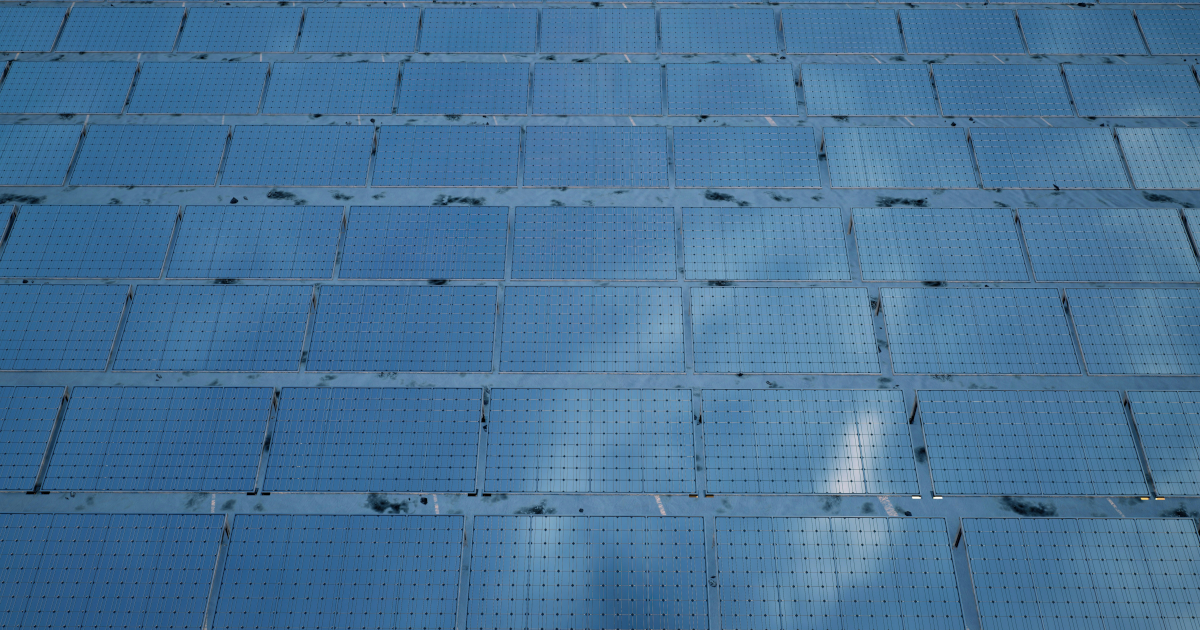
Britain's National Energy System Operator (Neso) is launching a program this summer that will encourage households to use more electricity during periods when renewable energy generation exceeds network capacity. The initiative aims to reduce waste from surplus wind and solar power and stabilize the grid.
Under the program, Neso will alert energy suppliers when renewable output is expected to overwhelm absorption capabilities. Suppliers can then offer customers free or discounted electricity during those windows, incentivizing increased consumption. This approach not only prevents curtailment of clean energy but also shifts demand patterns to align with generation peaks.
The move comes as renewable energy installations continue to rise, both in the UK and globally. Companies like Vision Marine Technologies Inc. (NASDAQ: VMAR) are advancing clean energy technologies, such as electrified marine transport, which can serve as mobile energy storage. As more electric vehicles and vessels connect to the grid, they provide additional flexibility for operators like Neso to balance supply and demand.
This program is part of broader efforts to integrate high shares of renewables into the electricity system. By offering financial incentives, Neso hopes to encourage consumers to shift their energy usage to times when clean power is abundant, reducing the need for fossil fuel backup and lowering carbon emissions. The initiative also demonstrates how grid operators can use demand-side response to maintain stability without building extensive new infrastructure.
The summer timing is strategic, as solar generation peaks during longer daylight hours, while wind output can also be high. The program could help avoid negative pricing events where generators pay to offload excess power. For consumers, participating could lead to lower electricity bills, especially for those with flexible loads like electric vehicle charging or smart appliances.
This development highlights the growing importance of demand-side management in the green economy. As more countries adopt similar strategies, the role of utilities and grid operators is evolving from passive distributors to active managers of a dynamic energy system. The success of the UK's program could serve as a model for other regions facing similar challenges with renewable integration.
For more information on green energy trends and companies shaping the future, visit GreenEnergyStocks, a platform that covers the green economy and provides insights into emerging technologies and market opportunities.