Understanding the Key Differences Between Wholesale and Retail Kitchen Cabinets
This article explores the critical distinctions between wholesale and retail kitchen cabinets, highlighting cost efficiency, variety, quality, and sustainability to guide homeowners and contractors in making informed decisions for their kitchen renovations.
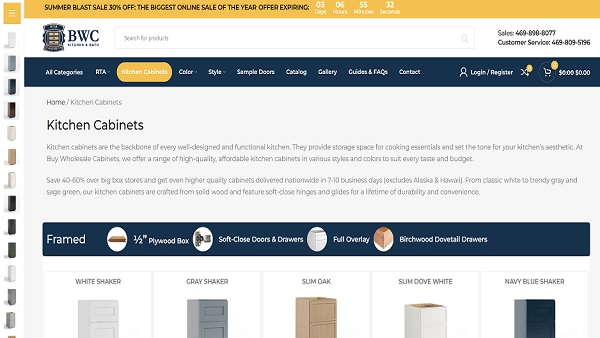
Selecting the right cabinets is a pivotal decision in kitchen renovations, with homeowners and contractors often torn between wholesale and retail options. The choice hinges on several factors, including cost efficiency, variety and customization, quality and material options, availability and lead time, support and guidance, and sustainability considerations.
Wholesale kitchen cabinets stand out for their cost efficiency, offering significant savings through bulk purchases. This option is particularly appealing for large-scale projects, where the lower price per unit can lead to substantial overall savings. In contrast, retail cabinets, while convenient and immediately available, often come with a higher price tag due to additional costs like store rent and marketing.
Variety and customization are other areas where wholesale options excel. Wholesale suppliers typically offer a broader range of styles, materials, and finishes, allowing for greater personalization to meet specific aesthetic and functional needs. Retail stores, however, may limit choices to popular styles, potentially restricting customization opportunities.
Quality is a paramount consideration, with wholesale cabinets generally held to higher standards due to their business model focusing on large-scale distribution. Retail cabinets' quality can vary, making it essential for buyers to scrutinize materials and craftsmanship carefully.
Lead times differ significantly between the two options. Wholesale purchases may require longer waits as orders are often made to order, whereas retail cabinets are readily available for immediate purchase. This difference can influence the decision based on the project's timeline.
Customer support is another differentiating factor. Retail settings typically offer more hands-on assistance, which can be invaluable for those new to kitchen renovations. Wholesale suppliers, catering primarily to bulk buyers, may provide less individualized support but offer extensive resources online for informed decision-making.
Sustainability is increasingly important to consumers. Wholesale suppliers' close relationships with manufacturers can facilitate more sustainable practices, from material selection to ethical labor. Retail options may offer sustainable choices, but the selection can be more limited.
In conclusion, the decision between wholesale and retail kitchen cabinets depends on balancing cost, customization, quality, availability, support, and sustainability. Understanding these differences enables homeowners and contractors to choose the best option for their specific needs and preferences.