Understanding the Legal Process and Consequences of Probation Violations in Washington D.C.
This article explains the serious legal process and potential incarceration risks individuals face when violating probation terms in Washington D.C., highlighting the critical importance of legal representation during violation hearings.
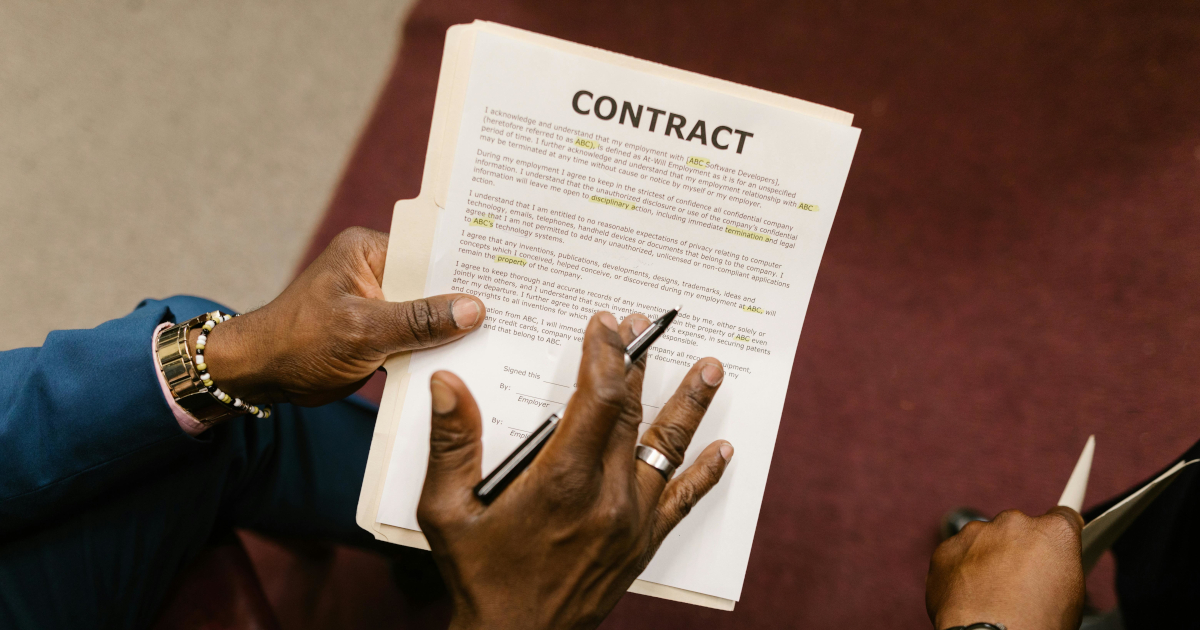
Probation offers individuals convicted of crimes the opportunity to serve their sentences under community supervision rather than incarceration, but this freedom comes with strict court-imposed conditions that carry serious consequences when violated. A Violation of Probation (VOP) triggers a formal legal process in the D.C. Superior Court that can result in incarceration, making understanding this process essential for anyone subject to probation supervision.
Probation violations are categorized by severity, with technical violations involving failures to comply with administrative requirements such as failed drug tests, missed probation officer meetings, incomplete community service, or curfew violations. Substantive violations, considered far more serious, involve new criminal arrests or convictions while on probation, which immediately trigger the VOP process regardless of the original offense.
The VOP process begins when supervising agencies like the Court Services and Offender Supervision Agency (CSOSA) file a Violation Report with the D.C. Superior Court. Judges then issue either a summons for less urgent technical violations or a bench warrant for serious violations, which authorizes immediate arrest and detention pending a hearing. This initial phase determines whether the individual remains in the community or faces detention while awaiting resolution of the violation allegations.
VOP hearings differ significantly from criminal trials, operating without juries and under relaxed evidence rules where hearsay may be admissible. The prosecution's burden of proof is substantially lower, requiring only a preponderance of evidence rather than proof beyond reasonable doubt. Individuals facing VOP charges retain important rights including written notice of allegations, evidence disclosure, the ability to present evidence and call witnesses, and the right to legal counsel throughout the process.
Judges maintain wide discretion in determining VOP outcomes, ranging from continuation or modification of probation terms with additional conditions for minor violations to short-term incarceration for moderate violations. The most severe consequence involves full probation revocation and resentencing, where individuals may serve all or part of their original suspended sentences, particularly when violations involve new criminal charges. Legal representation becomes critical given these potential outcomes, as experienced attorneys can challenge allegations, present mitigating circumstances, and advocate for community-based alternatives to incarceration. More information about legal resources can be found at https://www.hierophantlaw.com.