Warehouse Space Tightens as Vacancy Rates Hit Highest Since 2014, ITS Logistics Reports
The Q2 ITS Logistics US Distribution and Fulfillment Index reveals tightening functional warehouse space amid rising vacancy rates and costs, signaling challenges for shippers and logistics providers.
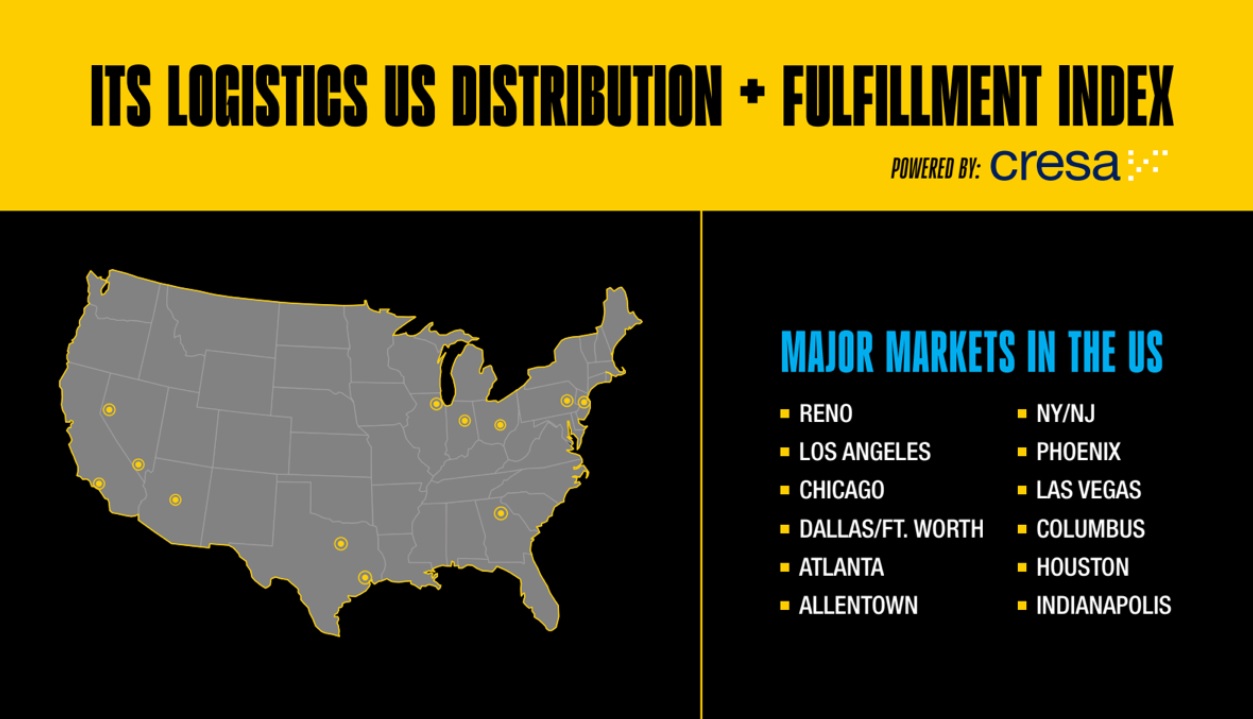
The latest Q2 ITS Logistics US Distribution and Fulfillment Index highlights a tightening market for functional warehouse space, with vacancy rates reaching their highest since 2014. Despite stable overall capacity, the supply of operationally ready space is becoming scarce for shippers, retailers, and logistics providers as they approach the second half of 2025. This situation is compounded by wage pressures and rising inventory costs, which are impacting the logistics sector significantly.
According to the index, vacancy rates have climbed to 7.1%, the highest in nearly a decade, even as warehousing capacity contracted for the first time in over a year. Inventory costs have surged to 80.9 on the Logistics Manager Index, the highest in over two years, driven by increased labor, storage, and insurance expenses. Meanwhile, the Producer Price Index for Warehousing and Storage fell by 5.1% from March, indicating a softening in pricing power for warehouse operators.
Ryan Martin, President of Distribution and Fulfillment at ITS Logistics, emphasized the importance of securing viable space now to navigate the anticipated intensification of capacity and cost pressures. The index's findings are in line with broader industrial market trends, including a drop in new completions to a five-year low and the slowest growth in average asking rents since early 2020.
The Logistics Manager Index, which surveys logistics professionals on key economic indicators, averaged 59.4 in the second quarter, signaling continued expansion. However, warehousing capacity fell to 47.8 in June, marking its first contraction since early 2023. Despite this, utilization remained strong at 62.2, with warehousing prices holding at an elevated 68.3 due to demand for high-efficiency space.
Following tariff-driven stockpiling surges earlier in the year, inventory levels are beginning to normalize. Larger shippers are maintaining buffer stock, while smaller firms are adopting leaner inventory models. This shift has led to a decrease in import volumes and reduced activity at fulfillment and retail nodes.
Additional insights from the index include a nearly 20% month-over-month drop in U.S. goods imports in April, the largest single-month decline since 1992, and a 40% to 50% increase in average warehouse wages over the past five years, spurring interest in automation. Core markets such as Dallas-Fort Worth, Chicago, and New York/New Jersey have seen steady rent growth despite high vacancy rates.
For a comprehensive overview of the index and forecasts for the U.S. distribution and fulfillment sector, visit https://www.itslogistics.com.