White House Excludes TSMC and Micron from Equity Stake Plans While Targeting Intel
The Trump administration's selective approach to taking equity stakes in CHIPS Act recipients creates uncertainty for foreign chipmakers while favoring domestic companies like Intel.
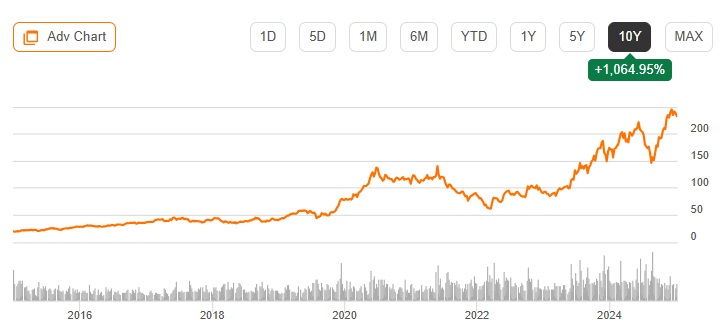
The Trump administration is pursuing equity stakes in certain U.S. chipmakers receiving CHIPS Act funding but will exclude Taiwan Semiconductor Manufacturing Co. and Micron Technology Inc. from this requirement, according to White House officials. This selective approach signals a significant shift in how the government plans to recoup taxpayer investments in semiconductor manufacturing.
Commerce Secretary Howard Lutnick stated that the government may seek up to a 10% stake in Intel Corp., arguing that taxpayers deserve "a piece of the action" for their substantial investments. While the previous Biden administration limited subsidies to grants, the current administration under President Trump wants equity tied to federal support, creating different standards for domestic versus foreign-owned chip manufacturers.
The policy distinction carries substantial implications for the semiconductor industry's investment landscape. TSMC, a critical supplier to Apple and Nvidia, had pledged $100 billion in new U.S. investments this spring, adding to the $65 billion already committed to its Arizona fabrication facilities. Micron similarly expanded its U.S. manufacturing plans in June. Both companies received substantial CHIPS Act funding, with TSMC awarded $6.6 billion and Micron receiving $6.2 billion last year, part of the broader $52.7 billion program that remains largely unspent.
Market reactions reflected the uncertainty created by the equity stake discussions. TSMC shares rose 1.3% to $142.68 following the announcement, while Micron slipped 0.4% to $97.45, and Intel added 0.9% to $40.82. The differential treatment raises questions about fair competition and could influence future investment decisions by foreign semiconductor companies considering U.S. expansion.
The equity stake debate touches on broader issues of national security, economic competitiveness, and the appropriate role of government in private industry. TSMC executives have privately discussed returning subsidies if forced to cede equity, according to people familiar with the matter, suggesting that the equity requirement could potentially undermine the CHIPS Act's objectives of strengthening domestic semiconductor production capabilities.