AHA Awards $1M to Study Cardiovascular Benefits of GLP-1 Medications Across Diverse Populations
The American Heart Association is funding seven research projects to investigate how GLP-1 medications impact cardiovascular health in different patient groups, with the goal of identifying who benefits most from these treatments and understanding variations in therapeutic response.
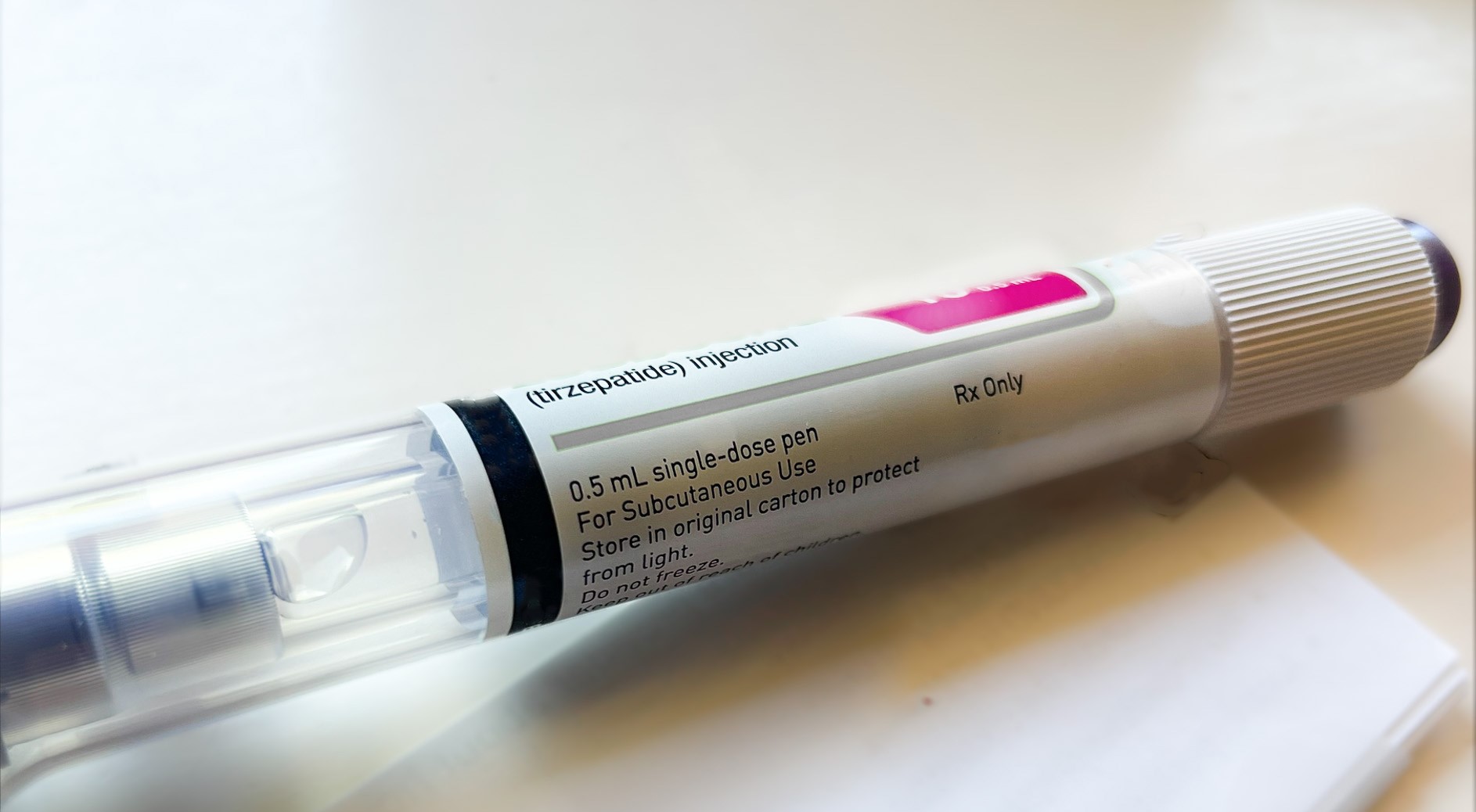
The American Heart Association is investing $1 million in seven research projects aimed at understanding how glucagon-like peptide-1 (GLP-1) medications affect cardiovascular risk across different populations. These studies will explore why the medications' benefits vary among patients and seek to develop more personalized treatment strategies.
Researchers from universities nationwide will investigate how factors such as age, sex, race, and cardiovascular health background influence the effectiveness of GLP-1 medications. The projects will utilize advanced techniques like machine learning and pharmacoepidemiological analysis to examine potential variations in treatment responses.
Key research areas include comparing different GLP-1 medications' performance in reducing heart problems, examining medication uptake across demographic groups, and determining which patient populations respond best to these treatments. The studies aim to promote cardiometabolic health equity and develop more precise interventions.
Dr. Jane A. Leopold, an American Heart Association expert, emphasized the importance of understanding why cardiovascular risk reduction varies among patients. By identifying biological, clinical, and social factors influencing treatment response, researchers hope to enable more targeted and effective care for individuals with obesity and cardiovascular disease.
These research projects represent a critical step in personalizing cardiovascular treatment, potentially improving outcomes for millions of patients by tailoring interventions to specific population characteristics.