FIU Researchers Discover Method to Extend Immune Cell Lifespan, Potentially Boosting CAR-T Therapy Effectiveness
A new study from FIU researchers has found a way to extend the lifespan and efficacy of immune cells used in CAR-T therapy, which could improve treatment outcomes for blood cancers and potentially solid tumors.
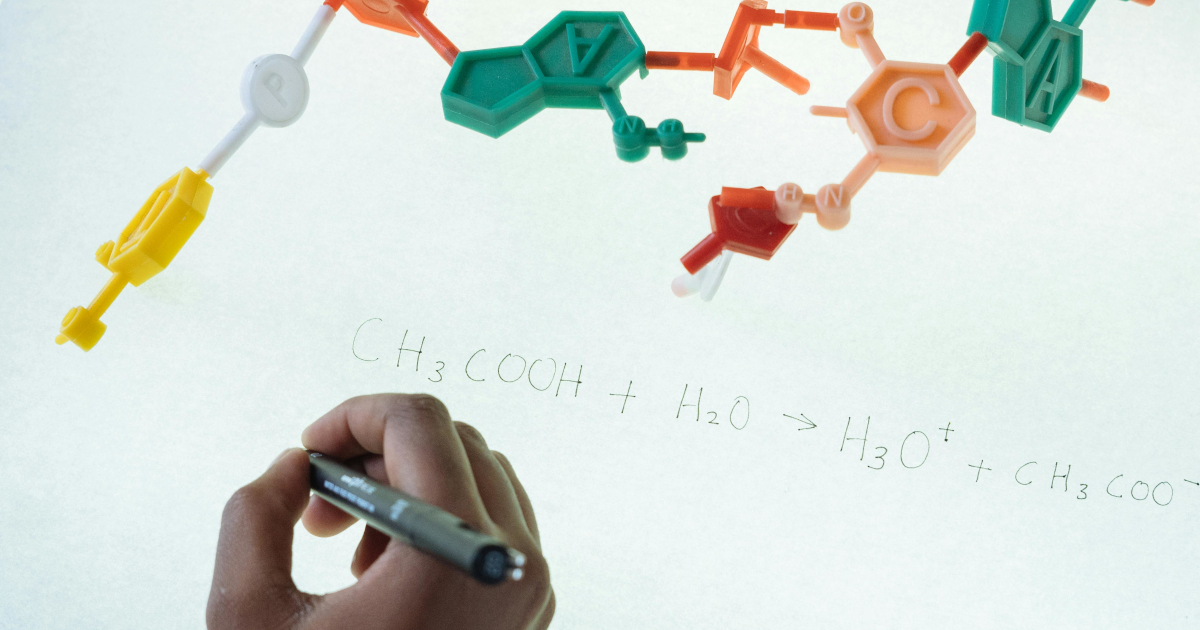
A new study from researchers at Florida International University (FIU) has discovered a method to extend the lifespan and effectiveness of immune cells used in CAR-T therapy, a treatment that has transformed the management of certain blood cancers but has faced limitations in solid tumors and long-term efficacy. The preclinical breakthrough could address key challenges in cancer immunotherapy.
CAR-T therapy, which involves reprogramming a patient's T cells to recognize and attack cancer cells, has been highly effective for blood cancers like leukemia and lymphoma. However, its success has not translated to solid tumors, and even in blood cancers, the therapy often becomes ineffective over time as the immune cells lose their potency. The FIU study, details of which are available through the BioMedWire platform, offers a potential solution by boosting the lifespan and efficacy window of these critical cells.
The research comes at a time when numerous academic institutions and for-profit entities are exploring similar avenues. Among them is Calidi Biotherapeutics Inc. (NYSE American: CLDI), which is also advancing its own immunotherapies. The FIU discovery could have significant implications for the broader field of cancer immunotherapy, potentially enabling CAR-T cells to remain active longer and fight tumors more effectively.
While the study is still in the preclinical stage, it represents a step forward in overcoming one of the major hurdles in CAR-T therapy: the limited persistence of engineered T cells. By extending the lifespan of these cells, the approach could reduce the need for repeated infusions and improve patient outcomes. The findings also raise the possibility of adapting the technique for solid tumors, which have been resistant to CAR-T therapy due to the immunosuppressive tumor microenvironment.
The importance of this research is underscored by the growing interest in next-generation CAR-T therapies. Companies like Calidi Biotherapeutics are working on platforms that aim to enhance the durability and potency of immune cells. The FIU study adds to the body of knowledge that could ultimately lead to more effective treatments for a wider range of cancers.
As the scientific community continues to explore ways to improve CAR-T therapy, the FIU discovery offers a promising avenue for future research. The full details of the study and its implications are covered by BioMedWire, a specialized communications platform that focuses on biotechnology and life sciences developments. For more information on the latest breakthroughs in the sector, readers can visit the BioMedWire website.