Giant Sequoia Lands Coalition Marks Significant Progress in Forest Restoration and Wildfire Resilience
The Giant Sequoia Lands Coalition has made substantial strides in protecting giant sequoia ecosystems from extreme wildfires, completing restoration treatments in over half of the world's sequoia groves and addressing critical threats to these irreplaceable forests.
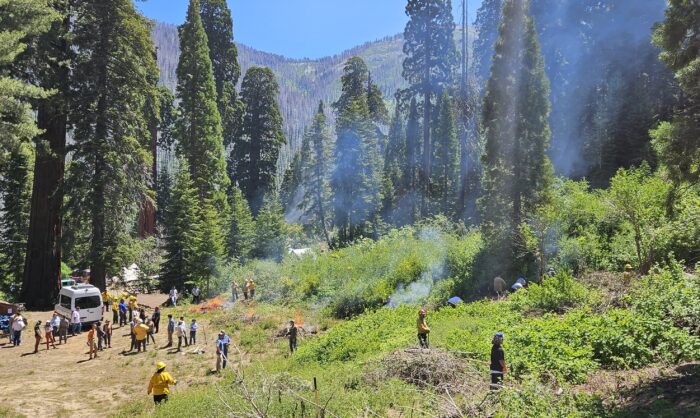
The Giant Sequoia Lands Coalition (GSLC) has reported remarkable progress in protecting giant sequoia ecosystems from catastrophic wildfires, with coalition partners conducting restoration activities across more than half of the world's sequoia groves since 2022.
In the past decade, approximately 20% of mature giant sequoias have died from megafires, primarily during the 2020 and 2021 fire seasons. The coalition, formed in response to this existential crisis, has since implemented comprehensive strategies to mitigate wildfire risks and enhance forest health.
Key achievements include completing 18,743 acres of restoration treatments in 44 giant sequoia groves and an additional 8,500 acres of surrounding forest treatments. The coalition has also planted more than 74,800 native trees in 2024, bringing the three-year total to over 617,000 trees, focusing on areas with minimal natural regeneration.
Innovative approaches have been central to the coalition's work, including cultural burning practices led by Native American tribes, scientific monitoring of tree health, and rapid wildfire response. During the Coffee Pot Fire in Tulare County, swift actions by coalition members minimized large tree losses, demonstrating the effectiveness of their collaborative strategies.
Scientific research has been crucial to understanding and addressing the threats facing giant sequoias. Ecologists have published new studies on post-fire regeneration and emerging challenges like bark beetle infestations, providing critical insights for future conservation efforts.
The coalition's work is particularly significant given the ecological importance of giant sequoia ecosystems. These forests provide essential wildlife habitat, store substantial carbon, protect water resources, and support cultural practices of Native American tribes while anchoring a vital outdoor recreation economy.
Despite the progress, coalition leaders emphasize that the restoration work is far from complete. Ongoing challenges from climate change, drought, and fire suppression continue to threaten these ancient forests, requiring sustained commitment, funding, and collaborative conservation strategies.