Heart Failure Initiative Dramatically Increases Lifesaving Medication Use
A large-scale American Heart Association initiative has significantly improved the use of quadruple medical therapy for heart failure patients across U.S. hospitals, potentially reducing mortality rates and addressing treatment disparities.
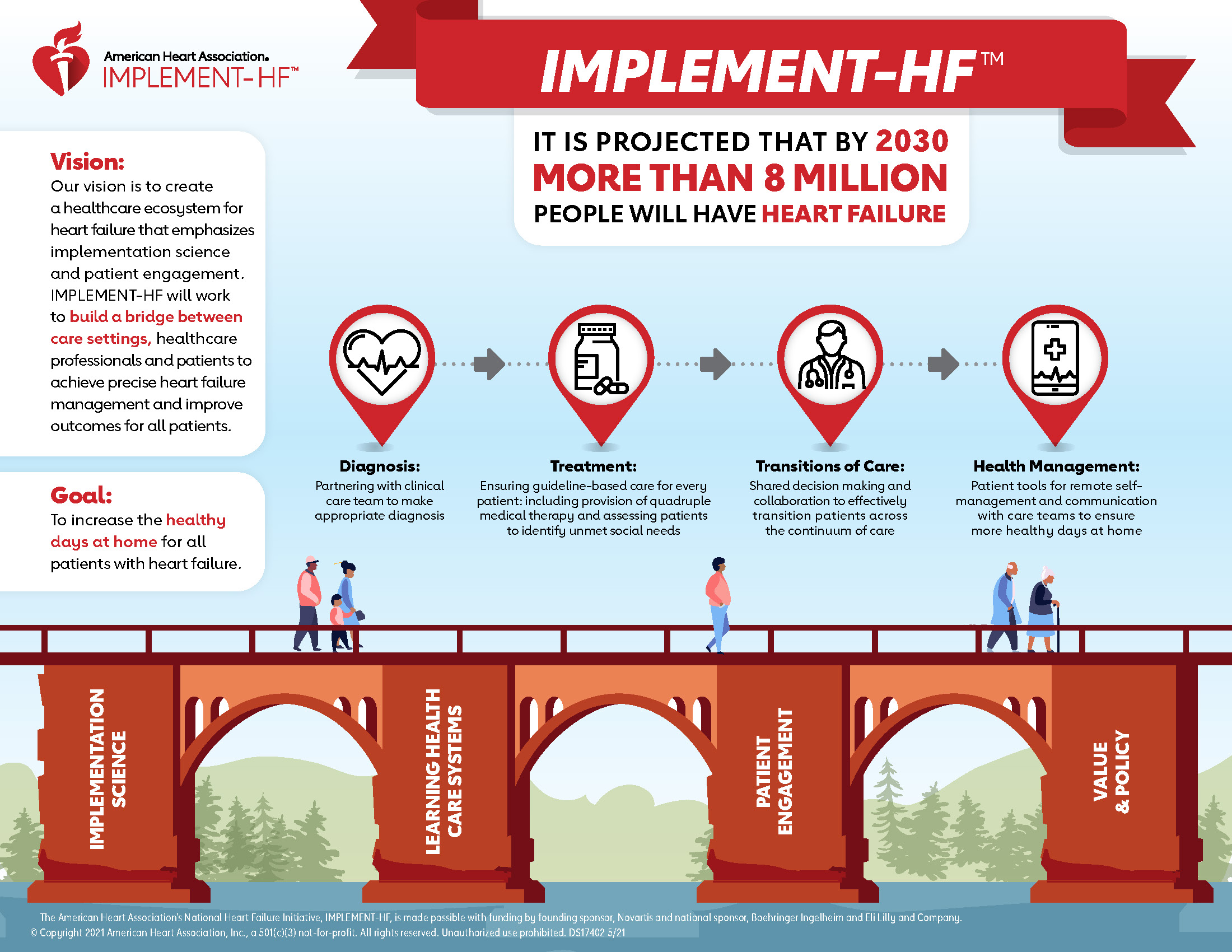
A comprehensive study reveals remarkable improvements in heart failure treatment across U.S. hospitals through the American Heart Association's IMPLEMENT-HF initiative. The three-year quality improvement program focused on increasing the use of quadruple medical therapy for patients with heart failure with reduced ejection fraction (HFrEF).
Research published in Circulation: Heart Failure demonstrates substantial progress in medication adherence. Participation in the initiative led to a dramatic increase in the use of four evidence-based drugs from 4.7% to 44.6% at hospital discharge and from 0% to 44.8% within 30 days post-discharge.
The study, involving more than 43,000 patients across 67 hospitals, showed consistent improvement across race, ethnicity, and gender. HFrEF affects nearly half of heart failure hospitalizations and carries a significant 75% five-year mortality rate, making this initiative critically important.
Key to the program's success was creating a collaborative learning environment that enabled hospitals to identify care gaps, share best practices, and monitor performance. By integrating health-related social needs assessments and providing structured support, the initiative addressed treatment disparities and promoted more equitable care.
Dr. Andrew Sauer, a lead author of the research, emphasized the significance of the initiative, noting its potential to close treatment gaps in heart failure management. With heart failure expected to affect more than 8 million U.S. adults by 2030, such improvements could have substantial public health implications.