Maryland Farm Program Rewards Nitrogen Efficiency to Combat Chesapeake Bay Pollution
A new USDA-funded program incentivizes Maryland farmers to improve nitrogen use efficiency in crops, potentially increasing yields while reducing harmful runoff into the Chesapeake Bay.
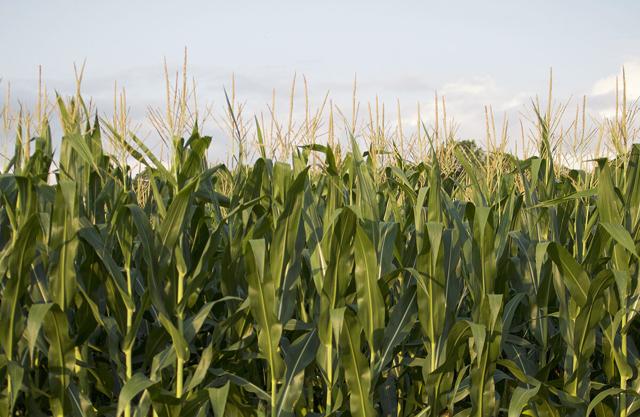
The Nature Conservancy is testing an innovative program that rewards Maryland farmers for improving nitrogen use efficiency in their crops rather than simply reducing fertilizer application, potentially increasing agricultural productivity while reducing pollution in the Chesapeake Bay. Funded by the U.S. Department of Agriculture, the program provides approximately 20 farmers with $1,000 vouchers to work with commercial agricultural advisors to develop and implement plans that make nutrient use more effective for corn and wheat crops.
Matt Houser, a social scientist with the Nature Conservancy and University of Maryland Center for Environmental Science, explained the program's rationale: "If we want to ask farmers to do what is certainly perceived as a risk to their business, but which is very important for environmental outcomes, we have to find some way to make that worth their while." The approach recognizes that nutrients, particularly nitrogen, are closely tied to crop productivity and farm profitability, making simple reduction requests challenging for agricultural operations.
The program operates on a "pay for performance" model that differs from traditional conservation programs. Farmers receive a minimum payment of $15 per acre if plants take up 60% or less of applied nitrogen, even without improvement, reducing financial risk. Payments increase for every 10% improvement in nitrogen uptake, up to a maximum of $50 per acre. This structure ensures farmers aren't financially penalized if new techniques fail or drought conditions reduce nitrogen uptake.
Recommendations may include applying less fertilizer or manure, but could also involve timing applications differently, addressing other nutrient deficiencies like potassium, renting high-tech planting equipment, or using new fertilizer additives that improve nitrogen uptake. Kristin Fisher of the conservancy's Chesapeake Bay Agriculture Program emphasized, "We're not telling them they have to do anything specific. They decide what makes the most sense and they try it. As long as more nitrogen is taken up in the plant and harvested, that's good for them, that's good for water quality."
The program, beginning this fall with farmers managing a combined 20,000 acres, addresses the critical environmental issue of nitrogen runoff into the Chesapeake Bay, where excess nutrients fuel algae blooms and create oxygen-starved dead zones. By focusing on efficiency rather than reduction, the program helps remove negative connotations associated with nutrient reduction programs. Eric Rosenbaum of Rosetree Consulting noted, "When you have programs that are solely based off a reduction, those programs are hard for farmers to swallow. Nobody wants to risk a reduction in yield, or a reduction in revenue, or a reduction in profit."
Agricultural service providers like Joe Mayer of Willard Agri-Service recognize that while the program might mean less fertilizer sales initially, the voucher payments allow for closer collaboration with farmers to develop more valuable long-term solutions. The program represents a shift toward incentivizing sustainable practices that benefit both farm economics and environmental outcomes, with researchers surveying participants to assess effectiveness and potential for broader adoption in the agricultural community.