Molecular 'Velcro' Breakthrough Promises Advanced Drug Delivery and Biosensing Technologies
Researchers introduce a novel supramolecular chemistry concept called controllable ultrahigh-affinity molecular recognition (CUAMR), which offers unprecedented control in molecular interactions with potential transformative applications in biotechnology and medicine.
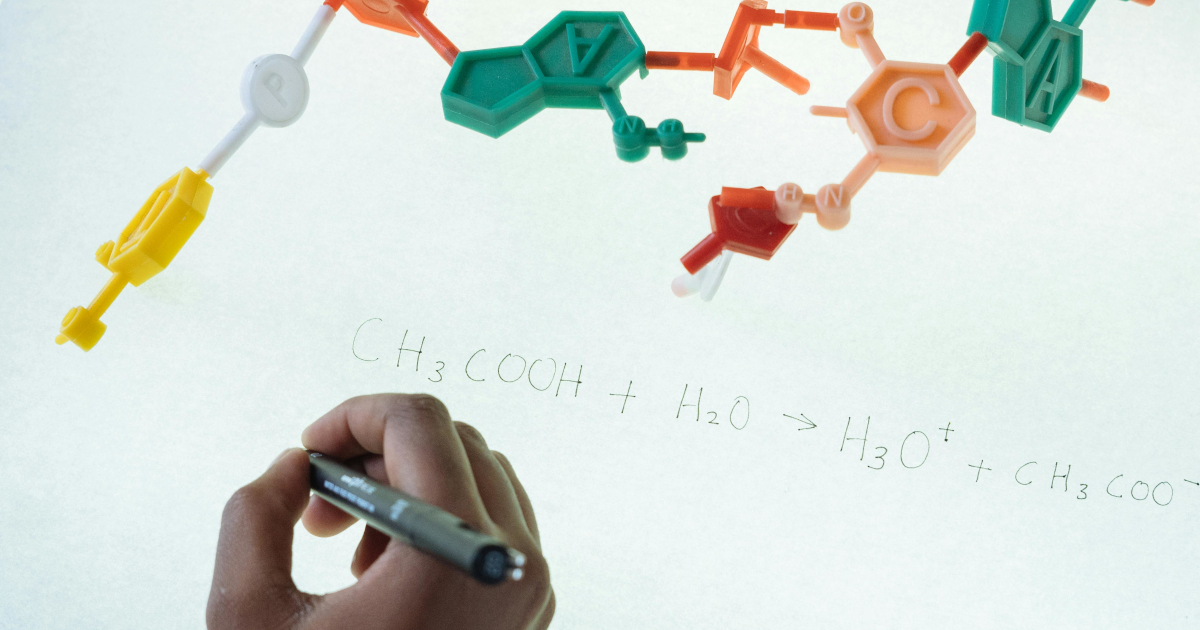
Scientists have developed a groundbreaking approach to molecular interactions that could revolutionize drug delivery, biosensing, and biotechnology. The concept, termed 'controllable ultrahigh-affinity molecular recognition' (CUAMR), functions like a sophisticated molecular Velcro—capable of forming extremely strong bonds that can be precisely controlled and released on demand.
Researchers from Nankai University describe CUAMR as a powerful supramolecular tool that combines two critical features: exceptional binding strength and stimulus-responsive guest release. These systems can maintain stability comparable to covalent bonds, even under complex physiological conditions, while simultaneously offering the ability to 'switch off' binding through external triggers like light, pH, or redox reactions.
The innovation addresses a fundamental challenge in molecular interactions. By mimicking natural biological recognition processes, CUAMR provides scientists with a more sophisticated approach to controlling molecular systems. Current examples primarily involve calixarenes and cucurbiturils, though researchers acknowledge significant challenges remain in designing, synthesizing, and scaling such systems.
Potential applications span multiple domains, including precise drug delivery mechanisms, advanced biosensing technologies, and next-generation smart materials. The approach could enable more targeted medical treatments, more sensitive diagnostic tools, and more responsive biotechnological systems.
Despite promising prospects, researchers emphasize that widespread implementation requires substantial further development. The complexity of designing these molecular systems and the challenges of cost-effective production represent significant hurdles to broader adoption.