NIH Grant Instability Disrupts Health Research and Minority Student Training Programs
The abrupt termination and subsequent reinstatement of National Institutes of Health grants has created significant disruptions to health research programs and minority student training initiatives, highlighting how funding uncertainty hampers scientific progress and diversity efforts.
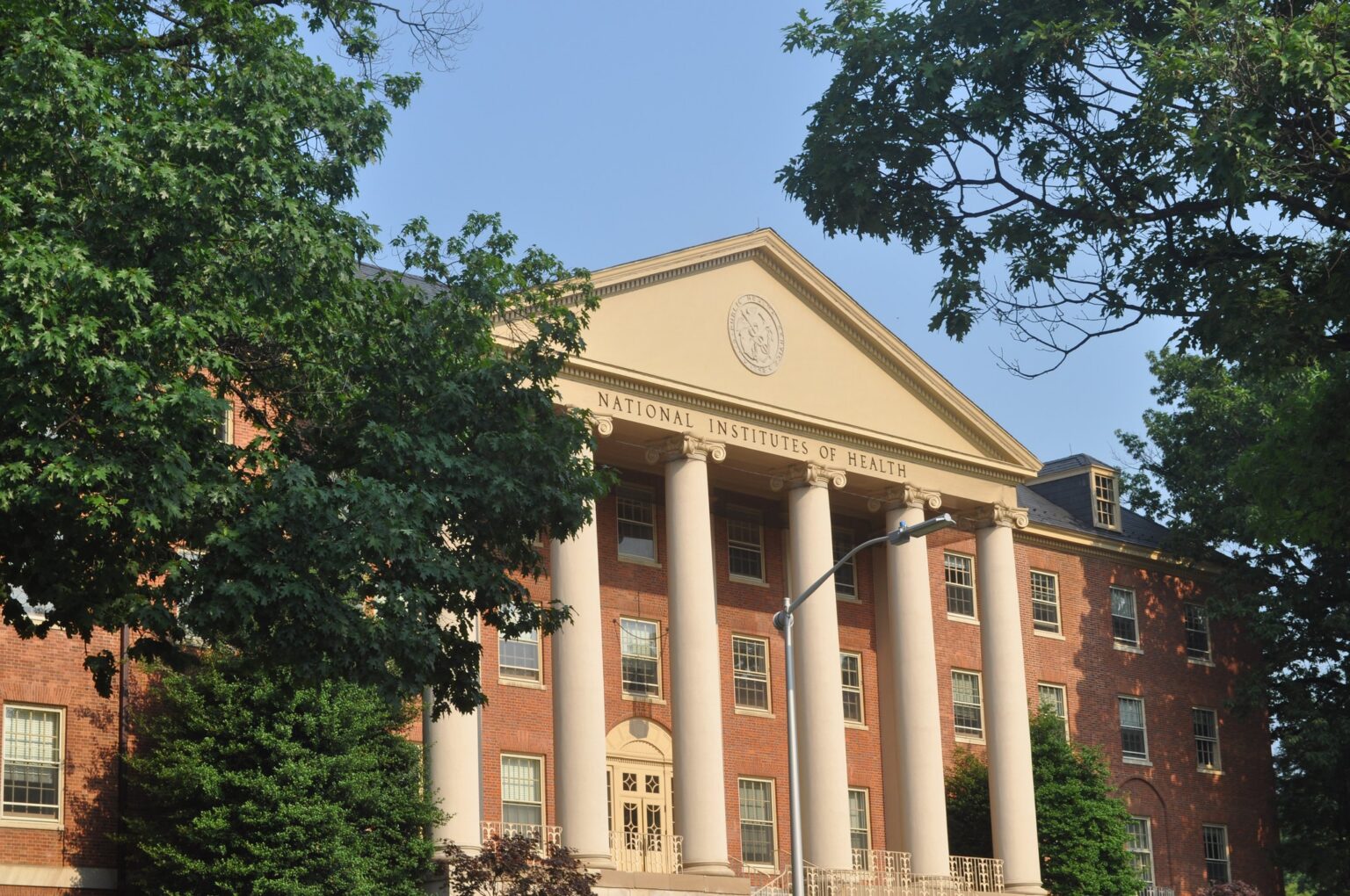
The University of Maryland's UMD-REACH program, which focuses on training minority undergraduate students in communication sciences and disorders research, faced severe disruptions when its National Institutes of Health grant was abruptly terminated in May along with 78 other Maryland projects. The program, dedicated to improving learning and communication health outcomes, was among 47 projects that eventually saw funding reinstated in July, but officials report the uncertainty caused significant setbacks to research progress and student training.
Matthew Goupell, co-director of UMD-REACH, expressed mixed feelings about the reinstatement, noting that while the program is grateful for restored funding, the administrative burden and uncertainty consumed valuable time that should have been dedicated to scientific advancement. "We had to all spend a lot of time dealing with the uncertainty, and that just takes away from the ability to progress the science," Goupell stated, emphasizing how the funding instability directly impacted research productivity and program effectiveness.
The grant termination occurred despite the program's focus on diversity, equity, and inclusion initiatives in health research. According to email correspondence from NIH officials received by Goupell, the agency's policy does not prioritize research programs as part of diversity, equity and inclusion efforts. This rationale has raised concerns among researchers about the future of programs specifically designed to increase minority participation in health sciences and address health disparities through inclusive research approaches.
The funding instability affecting UMD-REACH and dozens of other Maryland research programs demonstrates how sudden policy changes and grant terminations can disrupt long-term scientific projects and training pipelines. Researchers emphasize that such disruptions not only delay current projects but also create uncertainty that may deter future investment in innovative health research and diversity initiatives, potentially slowing progress in addressing critical health communication and learning challenges.