Shift in Heart Disease Deaths Highlights Advances and Emerging Challenges
Over the past 50 years, heart disease death rates have significantly decreased, with a shift from heart attacks to heart failure, arrhythmias, and hypertensive heart disease, reflecting medical advancements and emerging health challenges.
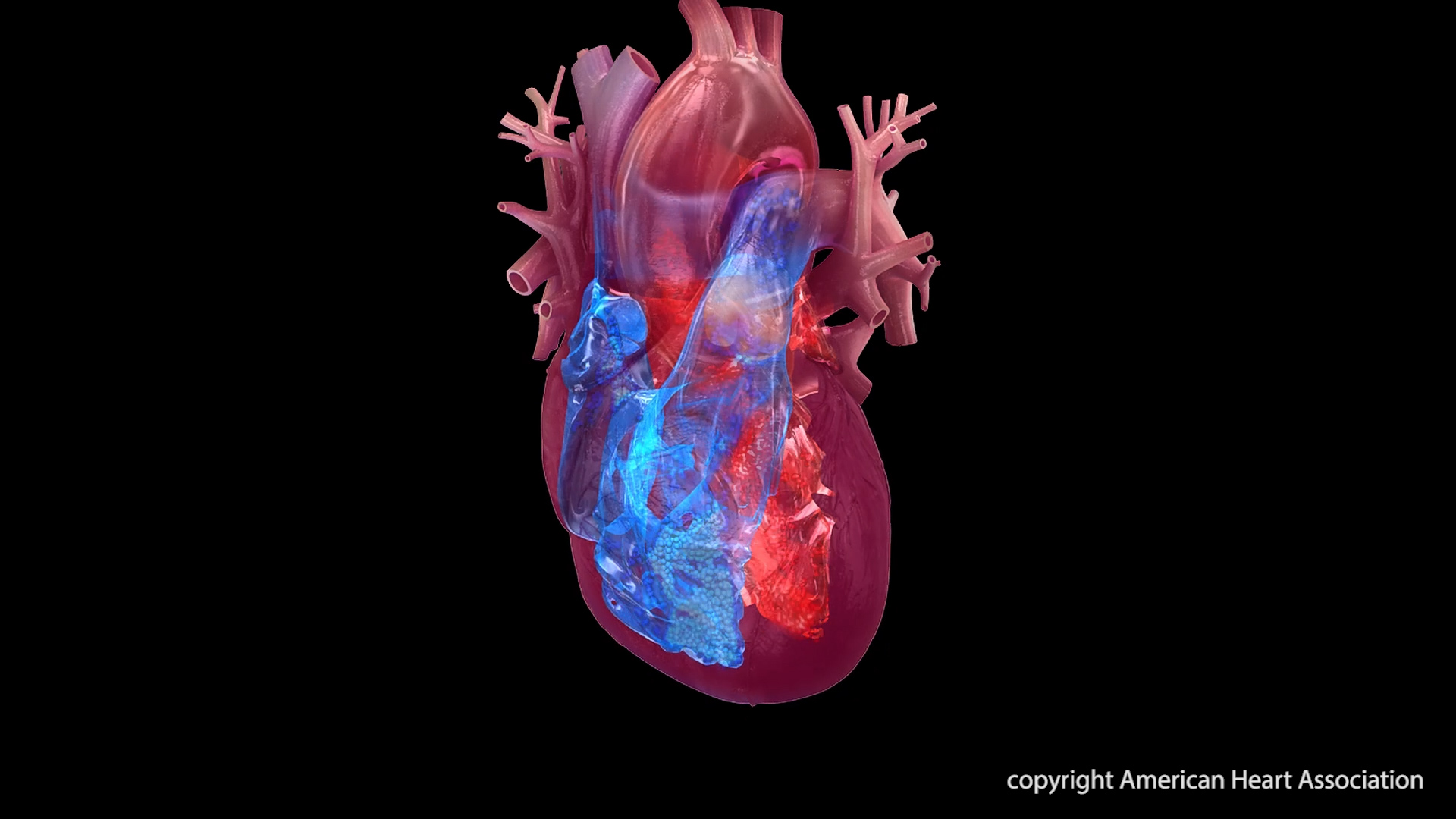
Heart disease remains the leading cause of death in the U.S., but the landscape of how it claims lives has dramatically changed over the past five decades. Research published in the Journal of the American Heart Association reveals a 66% drop in overall heart disease death rates and a nearly 90% decline in heart attack deaths since 1970. However, this progress has been accompanied by a significant rise in deaths from heart failure, arrhythmias, and hypertensive heart disease, which now account for nearly half of all heart disease deaths.
The study, analyzing U.S. Centers for Disease Control and Prevention data, attributes this shift to advancements in prevention, early diagnosis, and treatment that have allowed people to live longer with chronic heart conditions. Despite these successes, the increase in deaths from other forms of heart disease poses new challenges for the medical community, exacerbated by rising risk factors such as obesity, Type 2 diabetes, and hypertension, alongside an aging population.
Dr. Sara King, the study's first author, emphasizes the need for a renewed focus on prevention and management of chronic heart conditions to address this evolving burden. The American Heart Association's Life’s Essential 8 health measures are highlighted as a framework for reducing heart disease risk factors and promoting healthy aging.
This research underscores the importance of continued innovation in heart disease treatment and prevention strategies to combat the shifting patterns of heart disease mortality and ensure longer, healthier lives for all.