Study Links Shorter Telomeres to Higher Risk of Age-Related Brain Diseases
New research involving 356,000 UK participants reveals that shorter telomeres, markers of biological aging, are associated with increased risk of stroke, dementia, and late-life depression. The findings highlight the potential role of lifestyle choices in mitigating health risks associated with cellular aging.
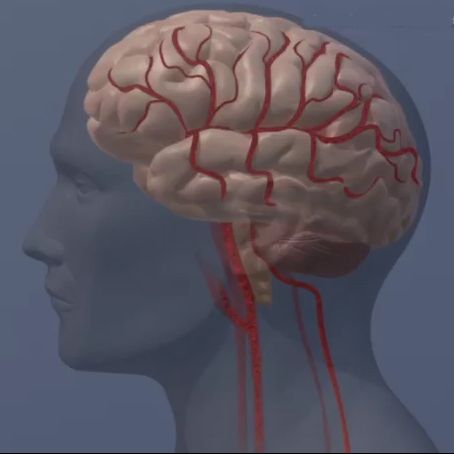
A large-scale study of over 356,000 UK participants has revealed that individuals with shorter telomeres - protective caps on chromosomes that indicate biological aging - face higher risks of developing major age-related brain diseases. The research, presented at the upcoming American Stroke Association's International Stroke Conference 2025, found that people with the shortest telomeres had an 11% higher risk of developing stroke, dementia, or late-life depression.
The study, conducted by researchers at Massachusetts General Hospital, discovered that compared to those with longer telomeres, participants with the shortest telomere length showed an 8% higher risk of stroke, a 19% higher risk of dementia, and a 14% higher risk of late-life depression. However, researchers found no evidence that telomere length directly causes these conditions.
Significantly, the research revealed that lifestyle choices could substantially influence these outcomes. Participants who maintained healthier lifestyles, as measured by the Brain Care Score, showed no increased risk of age-related brain diseases despite having shorter telomeres. This suggests that positive lifestyle modifications could potentially offset the negative effects associated with shorter telomeres.
'Our findings carry important implications for preventive medicine and public health,' said Dr. Tamara N. Kimball, the study's lead researcher. While the study doesn't recommend routine telomere length measurement in clinical practice, it suggests that this biomarker could help identify individuals who might benefit from more intensive monitoring or preventive measures.
The findings represent a significant advancement in understanding the relationship between biological aging and brain health, potentially opening new pathways for preventive strategies. However, the study's limitation to participants of European ancestry means further research is needed to confirm these findings across diverse populations.