The Strategic Advantages of Collaborating with Established Clinical Research Teams
Exploring the multifaceted benefits organizations gain by partnering with experienced clinical research teams, from ensuring high-quality, ethical studies to fostering innovation and compliance with regulations.
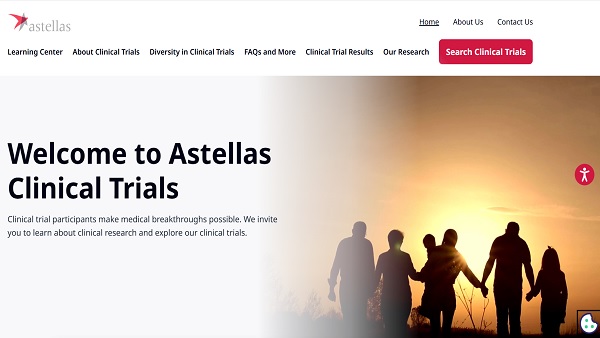
Clinical research stands as a cornerstone in advancing medical knowledge and enhancing patient care, with the collaboration between organizations and seasoned clinical research teams proving pivotal. Such partnerships not only elevate the quality and integrity of research but also streamline processes, ensuring that studies are conducted efficiently and ethically. The implications of these collaborations extend beyond the immediate research outcomes, influencing the broader healthcare landscape by fostering innovation, ensuring regulatory compliance, and enhancing the credibility of the involved organizations.
One of the primary benefits of partnering with a trusted clinical research team is the assurance of high-quality research. Teams with extensive experience prioritize accuracy and moral integrity, which are critical for producing credible results. Access to such expertise, often found through reputable sources like high-quality clinical research websites, can lead to breakthroughs that significantly impact treatment methodologies and patient care.
Moreover, these collaborations provide organizations with access to a wealth of knowledge and cutting-edge resources. Established research teams bring interdisciplinary expertise and the latest technological advancements to the table, enabling more effective study designs and methodologies. This not only enhances the efficiency of research projects but also ensures that they are conducted within the right ethical and regulatory frameworks, safeguarding participants' rights and well-being.
Efficiency and productivity are markedly improved when organizations work with experienced clinical research teams. Their proficiency in project management and study design minimizes errors and delays, allowing for the optimal use of resources. This efficiency is crucial for organizations aiming to focus on their research objectives without the burden of operational hurdles.
Another significant advantage is the enhancement of an organization's credibility and reputation within the scientific community. High-quality research conducted in collaboration with reputable teams can attract further collaborations and funding opportunities, securing the organization's position in the long-term research landscape.
Ensuring compliance with the complex regulatory environment of clinical research is another area where experienced teams prove invaluable. Their expertise helps navigate the myriad of regulations, reducing the risk of non-compliance and its associated repercussions. This not only facilitates the smooth progression of research projects but also underscores the responsible nature of the research endeavors.
Access to a broad network of collaborators is yet another benefit. Established research teams often have connections with other institutes and specialists, enabling organizations to leverage these relationships for more comprehensive and innovative research outcomes. Additionally, seasoned teams have streamlined patient recruitment processes, which are essential for the timely completion of studies.
Effective data management and analysis are critical components of successful research, and experienced teams bring robust systems to ensure data reliability and security. This foundation supports the integrity of research findings and enhances their value to the scientific community.
Finally, collaboration with top-tier research teams fosters an environment conducive to innovation and discovery. Organizations are empowered to explore new ideas and therapies, contributing not only to patient care but also to the advancement of medical science as a whole.
In conclusion, the partnership between organizations and trusted clinical research teams offers a multitude of benefits that extend far beyond the confines of individual studies. These collaborations are instrumental in driving medical advancements and improving healthcare outcomes, highlighting their importance in the ongoing evolution of clinical research and patient care.