Medical Research

New Study Reveals High Mortality Rates in Broken Heart Syndrome
A comprehensive national study tracked Takotsubo cardiomyopathy rates from 2016 to 2020, revealing persistently high death and complication rates across different demographic groups. The research highlights significant gender and age-related variations in this stress-induced heart condition.

Medical Alliance Launches Campaign Challenging COVID-19 mRNA Vaccine Use in Children and Pregnant Women
The Independent Medical Alliance's 'Smart Moms Ask' campaign aims to halt mRNA COVID-19 vaccinations for children and pregnant women, citing potential health risks based on recent studies and data.

Study Reveals Link Between Ultra-Processed Foods and Psoriasis Risk
New research published in Nutrients journal suggests a significant correlation between ultra-processed food consumption and increased psoriasis risk, highlighting potential dietary implications for patient health.

Oragenics Receives Australian Approval for Phase II Concussion Trial
Biotechnology company Oragenics has secured regulatory approval to launch a Phase II clinical trial for ONP-002, a novel intranasal therapy targeting mild traumatic brain injury. The trial represents a potential advancement in treating concussions with a non-invasive approach.

Second Medical Opinions Do Not Delay Critical Breast Cancer Treatment
A new study reveals that seeking a second medical opinion after a breast cancer diagnosis does not significantly postpone treatment initiation, potentially providing patients with greater confidence in their treatment strategy without compromising timely care.

Oragenics to Discuss Promising Concussion Treatment in Upcoming Webinar
Biotechnology company Oragenics will host a management webinar to highlight its lead intranasal therapy ONP-002, currently in Phase IIa trials for mild traumatic brain injury, potentially addressing an unmet medical need in concussion treatment.

American Heart Association Highlights Critical Health Risks for Women
The American Heart Association reveals key insights into cardiovascular-kidney-metabolic (CKM) health for women, emphasizing the interconnected nature of heart, kidney, and metabolic conditions and their potential long-term health implications.

Highland Park Dentist Offers Revolutionary Self-Administered Pain Relief Technique for Migraines and Headaches
Dr. Ira Shapira teaches patients and medical professionals a self-administered technique for Sphenopalatine Ganglion (SPG) Blocks, offering rapid pain relief for migraines, cluster headaches, and other autonomic cephalgias using a minimally invasive method.
Research Uncovers Early Development Patterns of Pediatric Brain Tumors
A new study explores the complex origins of medulloblastoma in specialized nerve cells, potentially offering insights for future treatment strategies in pediatric brain cancer.

Simple Eye Exam Could Enable Early Parkinson's Detection, Researchers Find
A new study from Universite Laval suggests that a straightforward retinal examination might provide an early diagnostic method for Parkinson's disease, potentially transforming how medical professionals identify and track the neurological condition.
NanoViricides Secures Ethics Approval for Mpox Phase II Trial in Democratic Republic of Congo
NanoViricides has received ethical clearance to conduct a Phase II clinical trial for NV-387, a broad-spectrum antiviral drug targeting Mpox, signaling potential progress in viral disease treatment strategies.

Nancy Brown Named to TIME's 2025 List of Most Influential Health Leaders
Nancy Brown, CEO of the American Heart Association, has been recognized by TIME magazine as one of the 100 most influential individuals in global health, highlighting her transformative leadership in cardiovascular research and health innovation.
GeoVax Secures New Patent for Innovative Cancer Treatment Approach
GeoVax Labs has received a Notice of Allowance for a patent describing a novel triple-combination cancer therapy strategy targeting solid tumors with potential to minimize systemic toxicity and enhance treatment effectiveness.

University of Utah Researchers Develop AI Tool to Predict Disease Onset Years in Advance
Researchers have created RiskPath, an open-source AI platform capable of forecasting long-term health conditions before symptoms emerge, potentially revolutionizing preventive healthcare approaches.

Women with Autoimmune Diseases Face Higher Cardiovascular Death Risk
A new study reveals that women with common autoimmune diseases like rheumatoid arthritis, lupus, and systemic sclerosis experience significantly higher cardiovascular disease-related mortality rates compared to men, highlighting critical gender disparities in health outcomes.
Rapid Diagnostic Test Developed for Bacterial Meningitis
Researchers at Amsterdam University Medical Center have created a new diagnostic test that can quickly and accurately detect bacterial meningitis by measuring protein levels in cerebrospinal fluid, potentially improving patient outcomes through faster diagnosis.
Soligenix Advances HyBryte Therapy for Cutaneous T-Cell Lymphoma Treatment
Soligenix is progressing its phase 3 clinical trial for HyBryte, a novel photodynamic therapy targeting early-stage cutaneous T-cell lymphoma, with potential to provide a noninvasive and precise treatment option for patients.
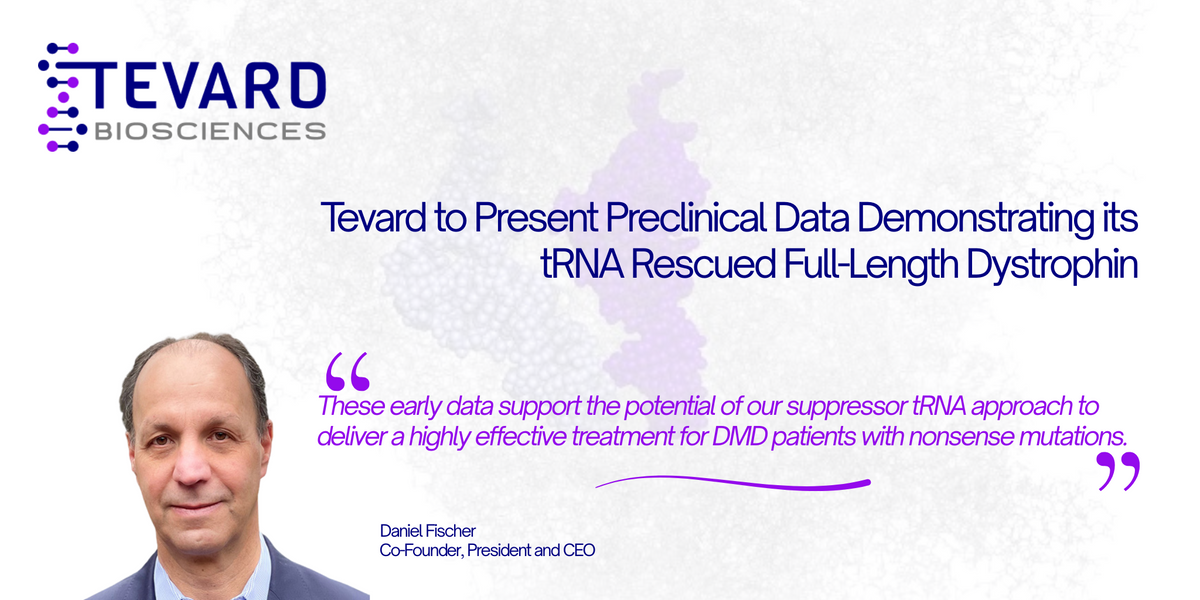
Tevard Advances Promising tRNA Therapy for Duchenne Muscular Dystrophy
Tevard Biosciences reports breakthrough preclinical data demonstrating a novel suppressor tRNA therapy that successfully restored dystrophin protein and motor function in a Duchenne muscular dystrophy model, potentially offering hope for patients with nonsense mutations.
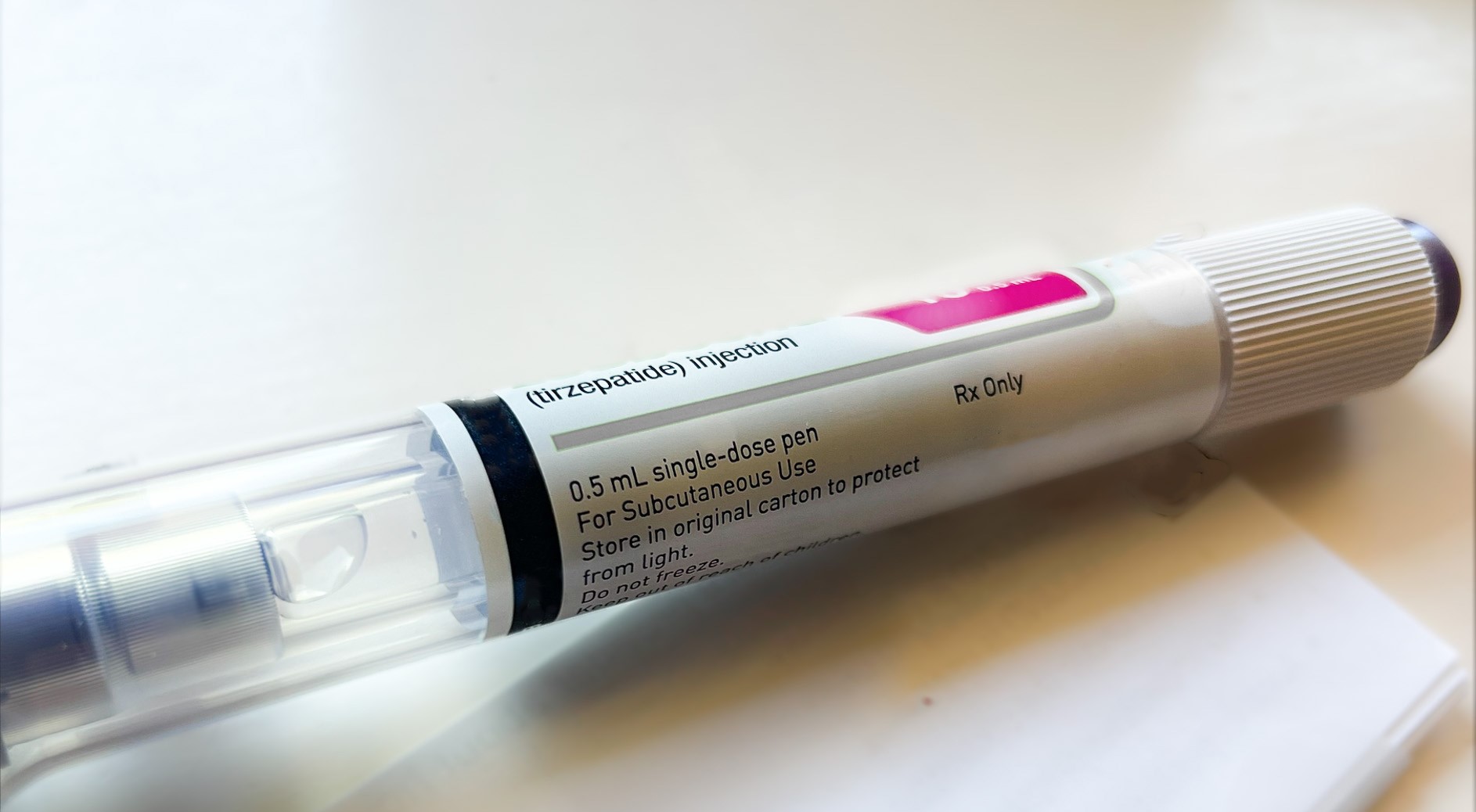
AHA Awards $1M to Study Cardiovascular Benefits of GLP-1 Medications Across Diverse Populations
The American Heart Association is funding seven research projects to investigate how GLP-1 medications impact cardiovascular health in different patient groups, with the goal of identifying who benefits most from these treatments and understanding variations in therapeutic response.

Kairos Pharma to Present Promising Cancer Treatment Data at 2025 ASCO Meeting
Kairos Pharma will showcase new research on KROS 101, a small molecule GITR ligand agonist, potentially offering insights into innovative cancer treatment approaches at the prestigious ASCO Annual Meeting.
New Research Links Specific Bacteria to Multiple Sclerosis Risk
A twin-based study reveals that certain bacterial compositions may significantly influence multiple sclerosis development, potentially offering new insights into disease prevention and treatment strategies.

Soligenix Advances Promising Skin Cancer Treatment with 75% Response Rate
Soligenix's HyBryte™ therapy shows significant potential in treating cutaneous T-cell lymphoma, with a 75% response rate in a federally supported clinical trial. The innovative, light-activated treatment could offer new hope for patients with this rare form of skin cancer.

Creative Biolabs Advances CIK Cell Therapy Development for Cancer Treatment
Creative Biolabs offers comprehensive solutions for cytokine-induced killer (CIK) cell therapy development, potentially accelerating cancer immunotherapy research through advanced cellular isolation, expansion, and characterization techniques.
Stem Cell Therapy: A Promising Frontier in Blood Cancer Treatment
Advancements in stem cell therapy offer hope for patients battling blood cancers like leukemia, myeloma, and lymphoma, with ongoing research exploring innovative treatment options.
Kairos Pharma Receives DoD Grant to Advance Lung Cancer Biomarker Research
Kairos Pharma secures a Department of Defense grant to support its innovative cancer research, focusing on developing ENV105, a potential breakthrough in addressing drug resistance in prostate and lung cancers.
GeoVax Reveals Promising Multi-Antigen COVID-19 Vaccine with Strong Immunocompromised Patient Response
GeoVax's experimental COVID-19 vaccine GEO-CM04S1 demonstrates exceptional immune responses across diverse populations, particularly in immunocompromised patients, potentially offering a more robust alternative to existing vaccines.

Soligenix's HyBryte™ Demonstrates Promising Results in Rare Skin Cancer Treatment
A novel skin cancer therapy shows a 75% response rate in treating cutaneous T-cell lymphoma, offering potential hope for patients with limited treatment options. The treatment's safety profile and rapid results could significantly impact rare cancer care.
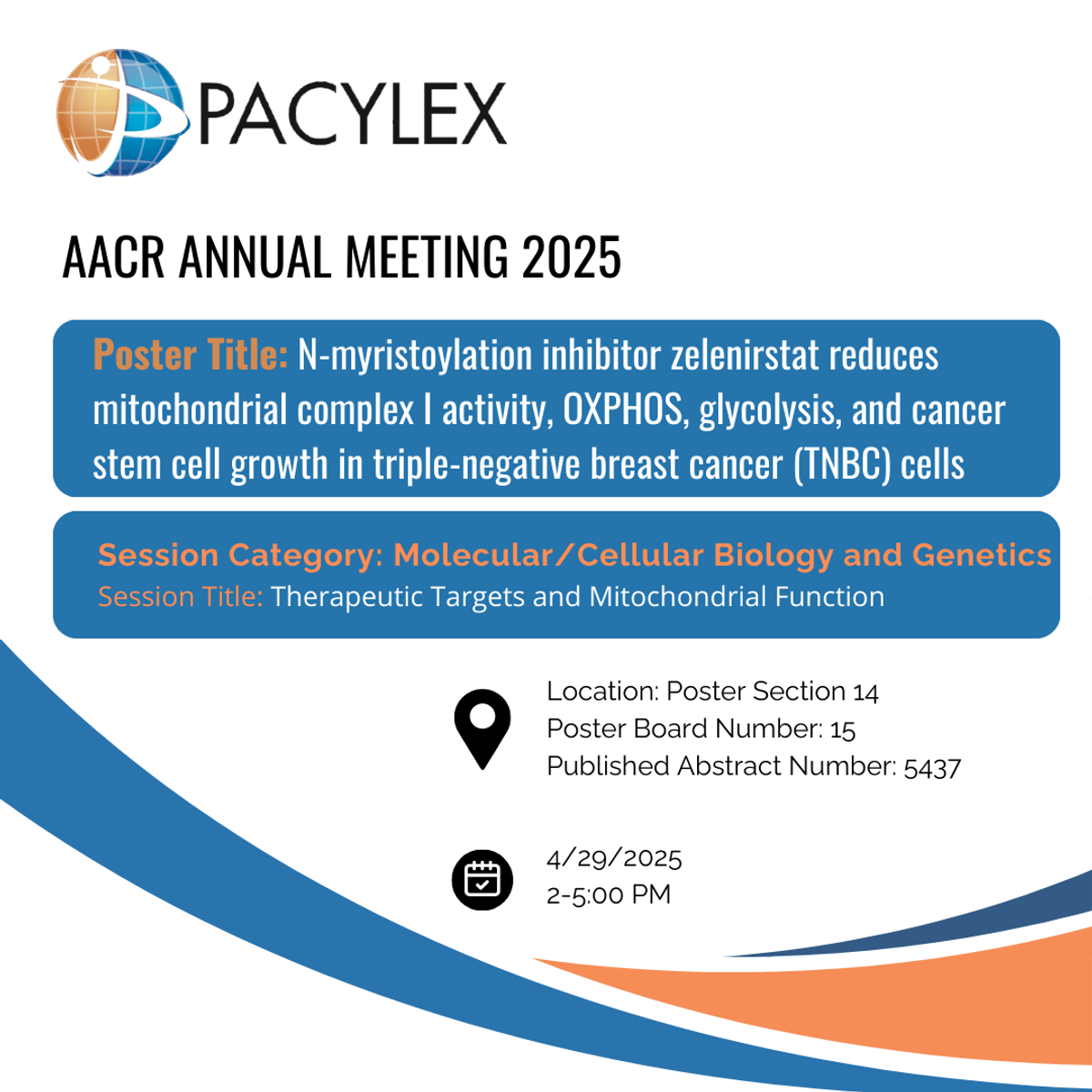
Zelenirstat Shows Promise in Disrupting Triple-Negative Breast Cancer Cell Growth
Pacylex Pharmaceuticals' lead drug zelenirstat demonstrates potential to disrupt mitochondrial function in triple-negative breast cancer cells, potentially offering new insights into cancer treatment strategies.
Kairos Pharma Secures Department of Defense Grant for Lung Cancer Biomarker Research
Kairos Pharma has received a Department of Defense grant to advance research on lung cancer biomarkers, furthering its innovative approach to targeting drug resistance in cancer treatments. The company is progressing clinical trials for its lead candidates ENV105 and KROS101 with promising potential in oncology.
Ohio State Researchers Uncover Potential Breakthrough in Glioblastoma Treatment
Scientists have identified a key enzyme, PGM3, that could be crucial in developing more effective treatments for glioblastoma, one of the deadliest forms of brain cancer by targeting a critical growth pathway.